Choosing the Safest Trading Platform: What I Look For in Practice
What I Mean by the Safest Trading Platform
When I say the safest trading platform, I mean a spot to buy and sell crypto that really takes care of your money and your data. Years ago Bitcoin just appeared and there were few places to trade. Now you can find many exchange sites for cryptocurrency, from big company run apps to small tools. That is good for choice, but it makes picking harder. I want a platform that shows clear security steps and does not hide things from users.
A trading platform can be a website or a mobile app where you trade digital coins. Some are simple for new folks. Others give deep tools for active traders. In this post I will walk through what I check before I deposit any cash. The safest trading platform is not just the biggest one. It is the one that fits your needs and proves it keeps funds safe with real checks.
I care about this because losing coins to a hack or a lazy setting hurts. I have read too many stories of people who trusted a name and lost access. So I write these notes for readers like you who want plain talk, not a sales pitch. We will look at real features from known exchanges and what they do to protect folks.
Centralized and Decentralized Exchanges
There are two main types of crypto exchanges. Centralized exchanges, or CEXs, are run by a company. They match buyers and sellers and often hold your coins in custody. They are easy to use but you trust them with your keys. Decentralized exchanges, called DEXs, run on blockchain networks and use smart contracts. They cut out the middle man, so you keep control. But they can have code bugs and no insurance fund.
I look at both when I search for the safest trading platform. For most new users, a CEX with strong security is the practical start. DEXs matter if you want no identity checks and self custody. Either way, you must know the trade-offs before moving money. A CEX gives convenience, a DEX gives control, neither kills all risk.

Most websites or apps that let you buy and sell coins count as a crypto exchange. Some focus on simple buy buttons. Others add lending and custody. Knowing which type you use helps you see where the risk sits. I always ask: who holds the keys, and what happens if they get hacked?
First Checks for Any Exchange
Before I put money on any platform, I run a list of checks. No place is fully risk free, but some show they try hard to stop fraud and leaks. I note their regulatory approvals. An exchange that follows US rules and registers with FinCEN gives me more legal cover. I also look at how many years they have run. Old platforms have track records and user reviews are easier to find.
What I check first
- Regulatory approvals and registrations like FinCEN
- Years in operation and real user reviews
- Public history of past hacks and how they fixed them
- Insurance protections or emergency funds
- Independent audits and proof of reserves
These points help me sort the safe from the shady. A platform with no public info on breaches is a no go for me. Insurance does not mean government backing, but an exchange funded reserve helps after a theft. Regulation does not kill all risk, but it cuts exposure to fraud and bad conduct.
I also weigh liquidity. High liquidity means you buy and sell fast at stable prices. Low liquidity can delay trades or move price against you. Fees matter too. Some charge trading commissions, others make money on spreads or withdrawals. Comparing fee structures before committing helps keep more of your returns.
Account Security Features I Want
The safest trading platform should give you tools to protect your own account. Even if your password leaks, good features block thieves. I look for two factor authentication, called 2FA. Better yet, support for hardware keys or passkeys. Withdrawal address whitelisting is huge. That means you only allow sends to wallets you pre approve, so a hacker can't drain to their own address.
User level defenses
- Two factor authentication on every login and transfer
- Passkeys or security keys like YubiKey
- Withdrawal address whitelisting or allowlisting
- Anti phishing codes and login or device alerts
Strong two factor authentication protects your account from unauthorized access.
Hey, don't skip this part. If you do not turn these on, even the best exchange can't save you. I always enable whitelisting before I deposit. Anti phishing codes add a marker only the real site shows, so fake emails are easier to spot. Login alerts tell you if someone tries your account from a new device.
Some platforms document these well, others hide them in menus. I prefer exchanges that make security settings plain and easy. Coinbase, Kraken, Gemini, and Phemex all describe such controls. The best security exchange is the one whose protections you will actually enable and keep up.
Cold Storage and Asset Protection
How a platform stores coins matters as much as your own settings. Cold storage means coins sit offline, away from hackers. Many safe exchanges keep most funds in cold wallets. Some add multi signature controls so no single person moves funds. They may also split custody and show their setup to the public.
I prefer places that talk plain about their storage. Kraken, for example, keeps cold storage under armed watch around the clock. That is the kind of detail I like. Insurance on top of cold storage is a bonus. The safest trading platform will tell you where your assets sit and how they respond to incidents.
Custody and asset protection practices are platform level. They refer to how the exchange stores and guards user assets and operational keys. Signals I look for: cold storage usage, multi signature controls, custody segregation disclosures, and incident response readiness. Many exchanges use cold storage to keep assets offline and provide insurance coverage against breaches.
Proof of Reserves and Transparency
After some industry failures, I follow the rule "trust, but verify". Proof of reserves, or PoR, shows that an exchange holds a one to one backing of customer assets. They publish audits so anyone can check. Some also show proof of liabilities. This openness builds real trust and lets users confirm funds are there.
The safest crypto exchanges trust users to take control of their portfolios.
When a platform lets me send coins to my own wallet, that is a good sign. I can hold my private keys. But while funds stay on the exchange, I want PoR reports at least regular or live. Phemex and Kraken give clear PoR data. Third party code inspections and public security docs add to the picture. Proof of reserves shows customer assets are fully backed, nothing hidden.
Audits and transparency policies matter. Independently verified reports show an exchange has nothing to hide. After several failures, many users now care about "trust, but verify" practices. This includes proof of reserves, proof of liabilities where available, public security documentation, and clear explanations of user security tools.
Coinbase and Why People Open Coinbase
Coinbase started in 2012 and is a large US exchange. It is public on Nasdaq, which forces some openness about its books. Many beginners open Coinbase because the app is clean and they guide you step by step. They use FDIC insurance on USD deposits and strong encryption like AES-256. Fees are higher, around 1.49 percent or more, but ease wins for new users.
If you want to open Coinbase , know that they require 2 step verification and support hardware keys. That fits my safety view. For US users wanting mainstream protections, it is a strong pick. Just turn on the security settings or they won't help much. Coinbase Advanced gives stronger trading tools without dropping those controls.
From a security feature view, Coinbase documents address allowlisting and requires 2 step verification to activate it. Their materials support YubiKey usage, a hardware key. The trade off is that security features only help if users actually enable them and adopt good habits. For US oriented users who want strong mainstream account protections and hardware key compatibility, Coinbase is a strong choice.
What Is Kraken Crypto
So what Kraken crypto is ? Kraken launched in 2011 and has a long record for security. It is based in San Francisco and registered with FinCEN. They publish proof of reserves and keep cold storage with 24/7 armed guards. They hold ISO security certs and use FIDO2 passkeys for 2FA, adding extra identity check security.
Fees start at 0.16 and 0.26 percent for makers and takers, fair for active traders. I see Kraken as a solid safest trading platform for those who want tested controls. It may be more than a beginner needs, but the docs are clear. Their security page highlights advanced cold storage, hot wallet solutions, physical infrastructure protections, encryption at rest, and ongoing testing.
Kraken also completed a SOC 2 Type 1 examination and holds ISO certification. Its banking arm secured a limited purpose Federal Reserve payments account, adding institutional trust context. Good for users prioritizing established security disclosures, certifications, and infrastructure controls.
Gemini Sticks to Compliance
Gemini is a New York exchange founded in 2014 by the Winklevoss twins. They push regulation first and hold licenses in all US states. They were the first to get SOC1 and SOC2 Type 2 certs. Every login needs 2FA. They say "trust is our product," and I believe they back it with audits and annual penetration tests.
Trust is our product.
Gemini has FDIC cover on USD and insured custody. Good for long term holders and institutions. Fees on main app are high, but ActiveTrader lowers cost. If you want audit style trust, Gemini is on my short list. Their security page emphasizes compliance and trust, with insured custody and institutional grade security.
For users who prioritize audit and compliance style trust signals, Gemini often appears on shortlists. It offers both a simple app for beginners and a pro platform for advanced users. Best for long term investors and institutions who want strong regulatory oversight and insured custody.
Binance and Binance.US for Low Fees
Binance began in 2017 and grew fast to become a large global exchange. The main site is not for US folks, but Binance.US launched in 2019 and follows US rules. Fees are low, from 0 to 0.1 percent maker and taker. They have SAFU insurance fund for hacks, with a trackable wallet address. Still, in a security first view, I rank them a bit lower than others because their safety story is less front and center.
If you already use Binance and manage your settings, it can work. But you must enable 2FA and whitelists yourself. Liquidity is high, which helps quick trades, though US offering is smaller due to regs. Best for cost conscious traders who want variety and low fees, but only if they actively manage security.
In a security first framework, Binance is relevant due to scale and docs, but ranks lower than Phemex, Kraken, Coinbase, Gemini on specific security first narrative. It is fine for users already in the ecosystem who are willing to actively manage their security settings; larger ecosystem complexity can raise the importance of user side discipline.
Crypto.com and Robinhood Options
Crypto.com runs many ISO certs and an insurance fund. They publish reserve data and support passkeys and biometric logins. After past hacks they added a Worldwide Account Protection Program to reimburse clients. Robinhood started as stock app in 2015, added crypto in 2018. Most holdings sit in cold storage and they have crime insurance from Lloyd's.
Both are fine for simple buys, but Robinhood limits withdrawals to self wallet only after later update. Neither is my top pick for advanced safety, but they show basic care. Robinhood is FinCEN registered and offers optional self custodial wallet. If you want familiar apps, they can serve as a start, though spreads can be higher than dedicated exchanges.
Crypto.com brand rests on sports partnerships, but they do give multiple account protection methods. Robinhood guarantees compliance with international lawmakers and holds FDIC insurance on cash deposits. Extra protections like passkeys, device approvals, and support add layers. These are okay for small amounts, not for big custody.
Ledn for Custody and Control
Ledn is built for people who care about holding their bitcoin without lending it out. You can trade BTC and USDC right inside your account. Trades settle fast with no extra trading fees. Your coins stay custodied and are never lent for interest. Proof of Reserves verifies client assets so you know they are there.
I like Ledn for fewer transfers and clear pricing. It is not a typical exchange but a custody focused platform. If you want control and simple swaps, it deserves a look. You get a time limited quote, and the price shown is the price you pay, keeping things simple and visible.
Ledn operates under regulatory and compliance standards in the jurisdictions where it offers services. Availability varies by location. Best if you want fewer transfers, clearer pricing, and more control over how you hold and use your bitcoin. It combines trading, custody, and bitcoin backed loans in one place, never lending your coin for interest.
Cash App PayPal and Swan Bitcoin
Cash App and PayPal let you buy bitcoin from your phone. Both are easy but spread costs more than dedicated exchanges. Cash App lets you withdraw to external wallet; PayPal does not. Swan Bitcoin started in 2019 for long term saving. They push recurring buys and moving to cold storage. Fees are clear but higher than big traders.
For a first step, these are okay. But they lack deep security tools of a full safest trading platform. I treat them as on ramps, not homes for big balances. Cash App is operated by Block, and PayPal is familiar to millions, but the lack of external withdrawal on PayPal limits how you store coins.
Swan focuses on dollar cost averaging, letting users set up recurring purchases and accumulate over time. It encourages withdrawal to cold storage and promotes self custody. Best for investors who want to steadily build a bitcoin position without the pressure of trading. Fees are transparent though higher than high volume platforms.
Phemex as a Security Focused Pick
Phemex stands out in my read as a global security pick. They require 2FA for key actions like withdrawals. They support passkeys and anti phishing codes. Withdrawal whitelisting is there, with delays for new addresses to add safety. They post 24/7 proof of reserves and liabilities, plus public cold wallet addresses for on chain check.
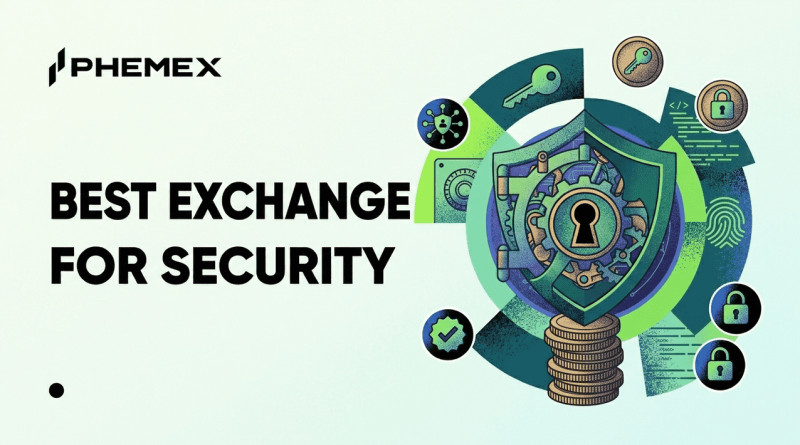
For users who want modern account controls and verifiable reserves, Phemex is strong. US access can be limited, so check your region. I rank it high for layering many safety steps instead of one. Its help center explains security features like withdrawal whitelisting and account hardening, including extra withdrawal delays for new whitelist addresses.
Phemex is the strongest overall pick for security focused users in this comparison because it performs well across multiple security layers rather than relying on a single trust signal. Best for global users who want a modern combination of account security controls and verifiability practices. Trade off is harder access for some US residents.
No KYC and Decentralized Choices
If you hate identity checks, centralized exchanges are out. Decentralized options cut counterparty risk but lack insurance. Bisq is a peer to peer no KYC app needing some BTC to start and pay fees, lower if you use its BSQ token. XMR BTC atomic swaps exist but software is young. KuCoin is reported easy without KYC but not US licensed. StealthEx and LocalMonero appear in user tales. TradeOgre and mobile wallets like Cake support swaps.
I don't use these for large sums. Code bugs and no recourse are real. But for privacy minded small trades, they exist. Always test with tiny amounts. DEXs run on networks like Ethereum or Solana and use self executing smart contracts. They cut down on counterparty risks, but smart contract code vulnerabilities and hacks are ever present threats.
Since there is no company in charge of a DEX, you can't rely on insurance protections in case of theft. That is a big difference from a CEX with an insurance fund. For users who do not want to verify identity, centralized exchanges are a no go, so DEXs or no KYC spots fill the gap despite drawbacks.
Matching a Platform to Your Needs
The safest trading platform for you depends on your profile. Beginners want simple apps and easy 2FA. Active traders need charts, low fees, liquidity. Long term holders want custody proofs and insured storage. Institutions need compliance and deep books. Verifiability seekers want open PoR docs.
User profiles and fit
- Beginners: Coinbase, Cash App, best crypto trading platform for beginners
- Active traders: Kraken, Binance.US for tools and liquidity
- Long term: Swan, Gemini, Ledn with custody focus
- Verifiability: Phemex with live PoR and whitelisting
When I scan exchange sites for cryptocurrency , I keep these in mind. The best crypto exchange in USA for one person may differ for another. I suggest writing your needs first. For trading crypto sites with low cost, Binance.US fits. And top rated crypto platforms often include those names.
A best crypto buying platform for ease is Coinbase or Cash App. Institutions need exchanges with deep liquidity, regulated custody, full compliance, dedicated support, insurance, reporting. Verifiability seekers prioritize proof of reserves documentation and public facing verification resources. Phemex's recent security messaging is relevant here.
Common Mistakes and Red Flags
I see people pick by brand size alone. Big name does not save a weak password. Not turning on whitelisting is a big miss. Ignoring phishing tools like passkeys is silly. Relying only on certs without your own habits fails. Not checking if platform works in your region can leave you stuck.
Red flags to avoid
- Confusing brand size with personal security
- Not enabling withdrawal whitelisting
- Ignoring phishing resistance tools
- Relying only on certifications
- Not checking if platform works in your jurisdiction
No platform lacks risk, so it’s very important to know what each exchange does to minimize fraud and data leaks.
Don't forget custodial risk: if exchange holds keys, they control your coin. Move to self custody for long holds. Exchange hacks and outages remain a risk; regulatory uncertainty can affect service availability; fees can erode returns. I warn you plain: enable the locks, check the proofs, know your region.
Quick Answers to Common Questions
People often ask which apps are good to buy crypto. I say well established CEXs like Coinbase, Kraken, Binance. For safety, choose one with insurance and self withdrawal. US best includes Coinbase, Gemini, Kraken. Ledn is not a typical exchange but offers verified custody and never lends your bitcoin.
Do you own bitcoin on an exchange? No, they hold keys. That is why I like platforms that let you withdraw. Fees vary, so compare total cost not just headline. For exchange sites for cryptocurrency I check spreads and withdrawal costs too. Can you buy with PayPal? Yes, but no external wallet withdrawal, limits use.
Managing crypto assets shouldn’t be complicated.
That's from a security note I read, and I agree with it. Keep it simple, check the basics, and you will find the safest trading platform that fits. Safety depends on custody, regulation, transparency, and track record. Look for cold storage, published proofs, and regulatory oversight. Some use custody focused platforms like Ledn where bitcoin is independently verified and never lent out.
Comments on “Choosing the Safest Trading Platform: What I Look For in Practice”
No comments yet. Be the first to share your thoughts.