
- Security: cold keeps keys off net, hot stays online and exposed
- Custodial vs non-custodial: some hot wallets hold keys for you, cold often self-custody
- User experience: hot is quick, cold needs manual steps
- Compatibility: hot supports many tokens, cold supports fewer
What Is a Good Cold Storage Wallet: Things to Know to Pick Right
26 September, 2026
0 comments
What Is a Good Cold Storage Wallet
You asked me what is a good cold storage wallet and how to pick one. I keep it simple. A good cold storage wallet is a device or method that holds your crypto keys fully offline. This keeps hackers far away. The main topic here is what is a good cold storage wallet because that is what we explore today. I want you to leave with clear notes, not sales talk.
The short answer: it is a tool that stores private keys with no internet link. That offline crypto wallet style cuts down attack paths. In this article I will walk you through key features, security tips, and budget options so you can decide fast. You do not need a tech degree to get it. I break down safety basics, ease-of-use factors, and cost ranges to help you pick a device that fits your needs and peace of mind.
How Crypto Wallets Actually Work
A crypto wallet is a piece of software or hardware that stores information. It holds your public and private keys. The coins themselves sit on the blockchain, not in the wallet. Your keys prove you own the coins. If you lose the private key, you lose access forever. That is scary but true. The wallet just manages the right to send and receive. Unlike a bank, this makes the wallet fully self-managed.
When someone sends you bitcoin, they sign a transaction with their keys. Your public address gets the coin. To move coins, you need the private key to sign. The seed phrase is a list of 12 or 24 words that backs up the key. Anyone with the seed phrase controls the wallet. Best practice is to store it offline on paper or metal. I always tell friends: guard that phrase like cash. Wallets are made with a math curve called Elliptic Curve Digital Signature, but you don't need to know the math to use one.
If you don't have your keys, you don't have your bitcoin.
Wallets come in hot and cold types. Hot means connected to the net. Cold means offline. The debate between them is common. But the core job is the same: hold keys safe. A crypto wallet is fully self-managed, so you are in control instead of a bank. That freedom brings duty. You must protect the key yourself. Public address is like a bank account number you share. Private key is the proof of ownership. Seed phrase is the backup. All three matter.
Cold Storage Versus Hot Wallets
Cold wallets store keys offline. Hot wallets store them on a device with internet. This one difference changes a lot. Cold wallets are seen as more safe because they cut attack vectors. When you go online, you might touch a bad app or download malware. Hot wallets are handy for daily use but most hacks hit them. Back in 2022, over $1 billion was stolen from wallet hacks and phishing. Cold storage can lower your risk big time.
Main differences
Cold wallets are considered more secure than hot wallets because reducing attack vectors by keeping wallets offline.
But security is not just online or offline. A cold wallet with weak access control can be worse than a hot wallet with strong multi-party computation. The best setup depends on how you govern and monitor it. I think for most folks, a mix works. Use hot for small daily spend, cold for savings. Hot wallets include exchange wallets, phone apps, and desktop software. Cold wallets include paper and hardware. Each new account on a hardware wallet is cold only if you never connect it to apps.
Types of Cold Wallets
Many people say cold wallet and hardware wallet like they are the same. They are not. Cold just means keys stay offline. Paper wallets are one type. You write keys on paper or engrave on steel. Hardware wallets are devices like USB sticks. Brain wallets mean you memorize the key, which I do not suggest. The point is: if it keeps keys offline, it is cold. A piece of paper or metal with the key written on it may be used for cold storage.
Kinds of cold storage
- Paper wallets: keys written or printed on physical media
- Hardware wallets: secure device stores keys, signs offline
- Brain wallets: key memorized, risky and not for beginners
- Offline signing tools: other air-gapped methods
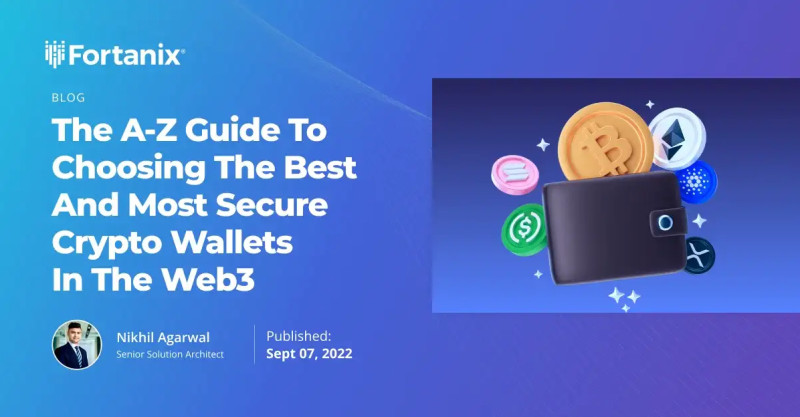
Paper wallets cost nothing but can burn or get lost. Hardware wallets cost money yet give a screen and PIN. They protect from physical access too. Even if someone grabs your device, they need a PIN or fingerprint. Still, a paper slip can be a backup. I like that hardware wallets talk to an app on your computer but keep keys inside the device. The device signs offline then sends the signed data out. That keeps the key never transmitted. This method is the safest for long-term hold.
Keeping Keys Offline and Safe
You might wonder how cold storage works in crypto . The trick is the private key is made and kept in a place with no internet. When you send coins, the device signs the transaction inside its safe space. Then it sends the signed data out to a connected device to broadcast. The key never leaves the cold environment. That is the whole game. Cold storage wallets always generate private keys offline because the wallets themselves are disconnected.
Cold storage wallets, if used properly, are very good at keeping your keys offline and protecting your assets.
Signing a transaction means you approve it with your key. The key stays hidden. After signing, the transaction goes to the network for verification. It is irreversible. So check the address twice. A wrong network can lose funds forever. Fees pay validators. This process is the same for any wallet, but cold adds the offline shield. Before broadcasting, you must select the correct blockchain network. Ethereum gas fee is gas units times base fee plus priority fee. Simple to forget, so be careful.
Benefits of a Good Cold Storage Wallet
Why cold storage helps
- Offline keys block online hacking and cyber threats
- Manual confirmation needed for each transaction
- Non-custodial: you control keys, no third party
- Ideal for long-term holding of big amounts
- Maximum protection from cyberattacks for treasury storage
A good cold storage wallet is perfect for storing crypto for a long time. You do not need to watch it daily. It gives a safe reliable way to hold sizable digital assets. For people with high-value coins, this is the standard. I sleep better knowing my savings are off the net. The trade-off is speed, but that is fine for savings. It aligns with best practices for secure crypto custody. Also, separation from smart contracts prevents unwanted approvals that could cause losses.
Drawbacks You Should Know
Cold wallet limits
- Less user-friendly: manual steps slow you down
- Risk of damage or loss: device can break or be stolen
- Learning curve: setup needs care with seed phrase
- Possible expense: hardware costs money upfront
- Single point of failure if no backup exists
Cold wallets are not magic. They need you to do work. If you trade often, pulling funds from cold is a pain. Also, if you lose the device and have no seed backup, your money is gone. I suggest a test run with small funds first. And combine with multi-sig if you hold a lot. That spreads risk. Slower access to funds makes them not ideal for high-frequency use. Operational overhead to manage and access securely is real. But for long-term holdings, the hassle is worth it.
Picking a Good Cold Storage Wallet
When you look at what are the best crypto cold wallets , you see names like Ledger and Trezor. For best cold wallet storage , pick a device with tough build. Some models are waterproof and fireproof. That matters if your house floods or burns. I also read a trezor review and liked its open code. The keystone pro hardware wallet gets praise for air-gap. If you want to ledger wallet buy , go to the maker's site, not random sellers.
Popular hardware choices
- Ledger: common secure element device
- Trezor: open-source friendly option
- Keystone Pro: air-gapped screen device
- Tangem: card-style non-custodial tool
You might see an amazon cold wallet listing cheap. Beware of used or fake devices. Reading dcent cold wallet reviews helps before you spend. A good cold storage wallet fits your tech level and budget. Beginners should start with a user-friendly hot wallet to practice, then move big funds to cold. That path saved me stress. For active web3 use, pair a browser extension wallet with a hardware wallet. You physically authorize every transaction, keeping keys offline.
How to Store Crypto on a Cold Wallet
Let me cover how to store crypto on a cold wallet in plain steps. First, get your device. Initiate it offline. Write the seed phrase on paper or metal. Never type it on a connected computer. Then send coins to your public address. To move out, connect device, sign, broadcast. That is it. The key stays inside. A hardware wallet can sign transactions offline using a companion app and transmit the signed transaction to an internet-connected device.
Securing seed phrase is single most important step.
Test the recovery before trusting it with life savings. Wipe the device and restore from your backup phrase. If that works, you are safe. If not, redo it. This one's important, pay attention. A wrong network pick when sending can kill the funds. Always confirm the chain matches. Every transaction comes with a fee to compensate validators. Take your time. The blockchain does not forgive mistakes.
Seed Phrase and Key Safety
Your seed phrase is the master key. It is 12 or 24 words. Whoever has it owns the coins. So never share it. No real support will ask for it. Store it offline. I use a steel plate because paper can rot. Do not save on phone or cloud. That defeats the cold idea. The seed phrase is a backup recovery tool just like the private key. Anyone who possesses it gains absolute control over the wallet.
Seed phrase rules
- Write on physical paper or metal, keep offline
- Never digitize or photo the phrase
- Test recovery before big deposits
- Beware phishing and fake support calls
If you lose the phrase and the device breaks, funds are stuck forever on the blockchain. That is the harsh truth of self-custody. But that control is why we like crypto. You are the bank. With that power comes the duty to be careful. Public address is derived from private key and meant to be shared. Private key must stay secret. Seed phrase must stay offline. Keep them apart if you can.
Custodial Versus Self-Custody
A custodial wallet is run by a third party. They hold keys for you. Exchanges often do this. It is easy but you trust them. Non-custodial means you hold keys. Complete freedom, but full responsibility. Many users prefer self-custody for sovereignty. The saying goes: if you don't have your keys, you don't have your bitcoin. That applies to all coins. A non-custodial wallet eliminates third-party risk like hacks or insolvency.
Non-custodial wallet eliminates third-party risk like hacks or insolvency.
For big holders, custodial cold storage by a major U.S. exchange can add insurance and compliance. But I lean to self-custody for my own savings. Tangem, for example, gives hardware and non-custodial software but does not hold your assets. Know what your tool does before use. Custodial solutions often include cold storage tiers, fraud detection, and tax reporting. That helps institutions without in-house security. For a regular person, self-custody keeps you free from freeze or removal.
Warm and MPC Wallet Options
Warm wallets sit between hot and cold. Keys stay online but a human must sign each transaction. That adds a step. MPC wallets split the key into shares across machines. No single piece is the full key. This lets automated approvals without physical isolation. For exchanges, MPC is a gold standard for high volume. It complements cold, not replaces it. MPC enables distributed signing, multi-role approvals, and full audit trails.
Fortanix offers a warm wallet with two-factor auth in a secure space. It helps businesses ensure customer assets need explicit consent. For personal users, warm may be overkill. But it shows the range of tools. The right pick depends on your needs. Trade often? Hot. Large savings? Cold. Need both speed and policy? MPC or warm. Warm wallets are more efficient than cold but still need human interaction to verify transactions.
Use Cases for Real People
Who uses what
- Retail investors: hot for daily, cold for long-term Bitcoin or Ethereum
- High-frequency traders: hot for trades, cold to secure profits periodic
- Crypto exchanges: MPC warm for liquidity, cold for most funds
- Family offices: cold with custodians, compliance and multi-approval
Most savvy users adopt a tiered plan. Hot for liquidity, cold for reserves. Putting all coins in one wallet is risky. I keep some on a hot app for coffee, rest in cold. If one key leaks, I don't lose all. That hybrid balances speed and safety. It is simple risk management. A common saying fits: if you don't have your keys, you don't have your bitcoin. New users with low balances can start with a user-friendly self-custody hot wallet, then move to cold for substantial holdings.
Common Wallet Mistakes
People mess up by sending to wrong network. They type a seed into a fake site. They buy used hardware. They skip the recovery test. Hey, don't skip this part: test your backup. Also, beware social engineering. Verify links. A cold wallet only helps if you use it right. If you connect it to shady apps, it becomes hot and exposed. Importing a paper wallet into a software wallet using the internet invalidates its purpose.
Test recovery by wiping wallet and restoring using backup before storing significant value.
Another error: thinking paper is forever. It can burn. Use metal if you can. And don't tell anyone your phrase. Not your spouse, not support. The blockchain does not care. It only sees the key. Beware phishing and fake platforms. Never save seed phrase on internet-connected device. Old school methods offline are best. A popular way to mitigate single point of failure is multi-sig or social recovery wallet.
My Take on Budget and Peace of Mind
You asked about budget options. Reading dcent cold wallet reviews shows decent cheap devices. But the amazon cold wallet deals can be traps. Buy from known sources. A good cold storage wallet does not need to break the bank. Even a well-made paper backup with metal engraving is low cost. The key is process, not price. Hardware wallets are a common type of cold wallet and aren't free, but enhanced security often outweighs cost.
For me, peace of mind comes from offline keys and a tested seed. What is a good cold storage wallet? It is one you understand and use right. Pick based on security needs, tech level, and budget. Keep learning. The crypto space stays self-managed, so your skills are the real safe. I hope these notes help you decide fast and sleep well. Cold wallets are perfect for storing cryptocurrency for extended periods without constant supervision. Just remember they need manual interaction, less convenient for regular traders.
Comments on “What Is a Good Cold Storage Wallet: Things to Know to Pick Right”
No comments yet. Be the first to share your thoughts.