
- Hot wallet: connected, easy, risky for big sums
- Cold wallet: offline, safe, less handy
- Warm wallet: online keys but human check
- Paper wallet: keys on paper or steel
- Hardware wallet: device with secure chip
What Are the Best Crypto Cold Wallets and How to Choose One for Security and Easy Use
19 September, 2026
0 comments
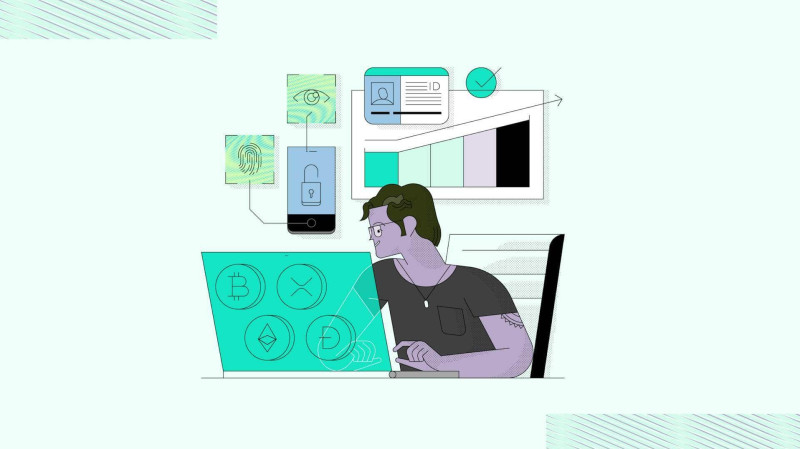
What Are Crypto Cold Wallets
A crypto wallet is just a tool that holds information. It keeps your public and private keys so you can use blockchains to move coins. When people ask me what are the best crypto cold wallets, I tell them to first get how any wallet works. Your coin is not really inside the wallet. It sits on the blockchain, a big public ledger. The wallet holds the keys that let you spend it.
Think of a wallet like a browser for the internet. It makes the tech under it easy to use. You can store, send, and get digital money with it. Many wallets run on your phone, so you carry them in your pocket. But a cold one is different. It stays off the net. That is the basic split.
How Does Cold Storage Work Crypto
The phrase how does cold storage work crypto sounds techy, but it is simple. A cold storage wallet makes and keeps your private keys on a device that never goes online. That means malware on your PC can't grab the keys. You press buttons on the device to confirm each send. This adds a layer software wallets can't give.
At its core, a wallet is just two keys made by a math trick called Elliptic Curve. The keys can be made anywhere, but the coin stays on the chain. Hot wallets like MetaMask keep the key in your browser, so they are always near the net. Cold ones keep it far away. That is the whole idea.
Why You Need a Cold Wallet
Crypto theft is a big deal. Hackers and phishers have taken billions from wallets over time. Even a big exchange with a security team got drained in one hit. If they can be hit, a normal person on an exchange or browser wallet is at more risk. I care about this because your money is gone for good if stolen.
Blockchain trades can't be reversed. There is no bank to call. If your seed phrase leaks, someone can empty you. That is why self-custody matters. More folks now keep their own keys instead of trusting others. A cold wallet is the standard way to hold more than a small amount of crypto safe.
When you hold your own keys, you take on the job to protect them. The chain won't save you.
Types of Crypto Wallets
Wallets split into hot and cold. Hot ones connect to the net. They include phone apps, desktop apps, and online wallets run by others. They are easy for small spends but risky for big holds. Most hacks hit hot wallets. Cold ones stay offline. They can be paper, metal, or hardware.
There is also a warm type. It keeps keys online but needs a human to sign with a second factor. And paper wallets are just keys written down. Hardware wallets are small devices like USB sticks. They are the most common cold form. Each type has its place.
Quick wallet types
What Is a Good Cold Storage Wallet
So what is a good cold storage wallet ? To me it must keep keys offline in a secure element chip. That chip should be EAL5+ or higher, the kind in passports. It should let you read tx details on a screen. And it should have a clear backup method like a 24-word phrase. A good one also fits your phone and coins.
Some add extra guards. Threat scans before you sign can flag scams. Biometric unlock can beat shoulder surfing. But no wallet is magic. If you approve a bad tx, funds still leave. You must check the screen every time.
Top Cold Wallet Models I Compared
In my look at what are the best crypto cold wallets, I lined up five beginner models. They are D'CENT Biometric, Ledger Nano X, Trezor Safe 3, Tangem, and Keystone 3 Pro. All use certified secure chips. All keep keys offline. They differ in screen, auth, and extra scans.
Here is a plain spec rundown. D'CENT has fingerprint and threat scan. Ledger has broad app ecosystem. Trezor is open source. Tangem is cards with no screen. Keystone uses QR air gap. Each serves a need.
D'CENT Biometric Wallet
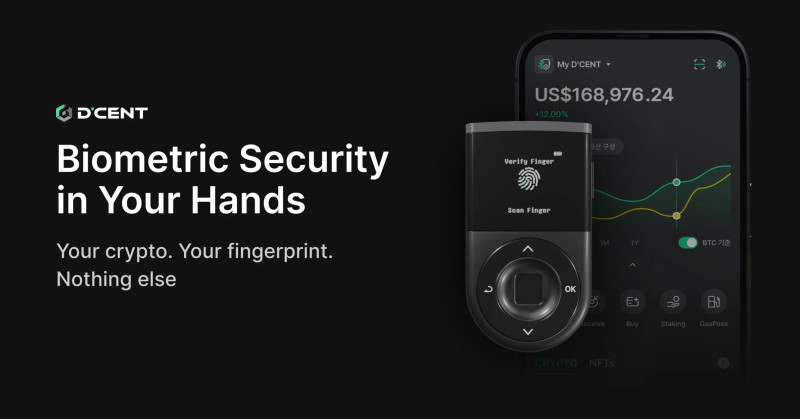
The dcent cold wallet reviews I read show a solid pick for bio security. This wallet uses a fingerprint chip and Bluetooth. It has Blockaid scan on 50+ chains to warn before sign. No breaches since 2018. It supports 100+ mainnets and 4,800+ tokens.
I like that the fingerprint unlock is fast and can't be watched. The company behind it has long security know-how. If you want mobile ease with active threat flags, this is a top call.
Ledger Nano X
If you want to ledger wallet buy for a wide app experience, Nano X is the one. It pairs with iOS and Android over BT. You can stake, swap, and use DeFi in one app. It holds 5,500+ coins. One caveat: a customer db breach happened in 2020, not device hack.
Ledger is like a smart card, not a full PC. There is a cheaper variant too. For most folks it is a smooth all-rounder.
Trezor Safe 3
A trezor review for new users points to Safe 3 as open source entry. It uses EAL6+ chip and full open firmware. Supports 8,000+ tokens and Shamir backup. Only USB-C, so best with desktop or Android. No device breach on record.
Trezor is a tiny computer that makes keys offline. It is very safe if used away from prying eyes. The dashboard is neat. A good start for transparency fans.
Tangem and Keystone
Tangem cards tap your phone, no screen, setup under two mins. But verify on phone, not hardware. Keystone is a keystone pro hardware wallet with QR air gap and 4" touch. No wifi or BT, just scans. Both have no device breach.
If you see an amazon cold wallet listing for these, be wary. Buy from the maker or authorized seller only. Counterfeit devices steal funds.
Best Cold Wallet Storage Tips
For best cold wallet storage you need more than a device. Your 24-word phrase is the real key. Write it on paper or metal. Never snap a pic or store in notes. Keep a second copy in another safe spot like a deposit box.
Update firmware via official app. Don't skip patches. And don't use one backup only. Fire or flood can kill paper. I say this straight: guard that phrase like cash.
If someone gets your 24 words, they own your crypto. No support line can help.
How to Store Crypto on Cold Wallet
Learning how to store crypto on cold wallet is easy once set up. You create wallet, write phrase, set PIN. Then you add account for Bitcoin or ETH. Send a small test tx first. After it arrives, move the rest. The coin stays on chain, keys stay in device.
You can keep most funds in cold and some in hot for spend. This splits risk. If one key lost, not all is gone.
Set Up Your First Cold Wallet
Steps are same for most brands. I walk through them plain so you don't trip. The core is make wallet, write phrase, prove it, then test send.
Setup steps
- Unbox, check seal, charge or plug
- Install official app from maker site
- Create new wallet, device shows 24 words
- Write words on paper card, no photo
- Set PIN or fingerprint
- Verify words back on device
- Add account, send small test tx
Hey, don't skip the test send. It saves pain. And never type phrase in any website.
Common Mistakes With Cold Wallets
Beginner errors
- Buy from unofficial reseller or weird amazon cold wallet ad
- Store recovery phrase in phone photo or email
- Blind sign without reading screen
- Use single backup location only
- Ignore firmware updates
These slip ups cause most real losses. The device is safe; the person slips. I've seen tales of folks who typed seed in fake site. Don't be that guy.
Cold Wallet Buying Checklist
10 point check
- Secure Element chip EAL5+ or higher
- On-device screen to verify tx
- Coin support for your chains
- Mobile app on iOS and Android
- Connectivity: BT, USB, NFC, or QR
- Auth: PIN or biometric
- Recovery: phrase, Shamir, multi-card
- Official purchase channel
- Active firmware updates
- Feature fit, no bloat
Run this list before you spend. It keeps you sane. An offline crypto wallet should meet most points.
Custodial vs Non-Custodial
A custodial wallet means a third party holds keys. Exchange wallets do this. You lose control. Non-custodial means you hold keys. Cold wallets are non-custodial. The saying goes: not your keys, not your coin. I prefer own keys.
Smart wallets add code features like social recovery. But core rule stays: you control key. That is the point of crypto autonomy.
Using Both Cold and Hot Wallets
Many users keep hardware for long hold and software for trade. This balances ease and safety. Put bulk in cold, small in hot. After trades, sweep hot left to cold. You get both worlds.
Also mix advanced features like multi-sig if you like. Diversify to limit risk. One lost key shouldn't sink all.
Offline Crypto Wallet and Air Gap
An offline crypto wallet that never touches net is the safest. Air gapped ones like Keystone use QR only. No USB, no BT, no wifi. That kills wireless attack paths. You scan tx, device signs, you scan back.
It adds a step but gives max isolation. For big holds, I think it's worth the tiny hassle.
Cold wallets are not 100% safe if you sign a bad tx. But they cut online attack vectors to near zero.
Keeping Your Recovery Phrase Safe
This part is important, pay attention. Your phrase is the only restore path. If device breaks, you rebuild on any brand with those words. If phrase lost, funds locked forever. Store offline, maybe metal plate.
I keep mine in two spots. One home, one relative. No cloud, no photo. Simple as that.
My Take on What Are the Best Crypto Cold Wallets
After all this, what are the best crypto cold wallets? For me, D'CENT for bio and scan, Trezor for open code, Ledger for app range, Tangem for quick tap, Keystone for air gap. Pick by need, not hype. All keep keys offline, which is the main win.
Start with one, learn the flow, then maybe add another. Security is a habit, not a product. That's my plain advice.
Related posts

Comments on “What Are the Best Crypto Cold Wallets and How to Choose One for Security and Easy Use”
No comments yet. Be the first to share your thoughts.