- Fiat-pegged stablecoins like USDT and USDC tied to dollars or euros.
- Commodity-pegged stablecoins backed by gold or silver, such as PAX Gold.
- Crypto-backed stablecoins like DAI that use other coins as collateral.
- U.S. Treasury-backed stablecoins that hold government debt and give yield.
- Algorithmic stablecoins that use code to balance supply, with higher risk.
Where to Use Crypto: From Stablecoins to Retirement Plans
18 September, 2026
0 comments
Where To Use Crypto In Plain Terms
I get asked a lot about where to use crypto. From digital wallets and stablecoins to global payments and retirement plans, here is the real lowdown on how it works. The phrase where to use crypto covers many places, from sending money to saving for old age. I’ll break this down in simple words so you see the real picture.
Getting started with crypto can feel like a big task. In this post I share where to use crypto and what to watch: sending money, stablecoins, and adding digital assets to savings. You don't need to be a tech whiz to get it. Just read on and I'll keep it clear. The key word here is use, not hype.
When folks first hear about coins, they think of price charts. But the real story is in the daily stuff. Where to use crypto is about paying, storing value, and building new tools. I mention this because clear info helps you avoid bad surprises.
Stablecoins Sit At The Center
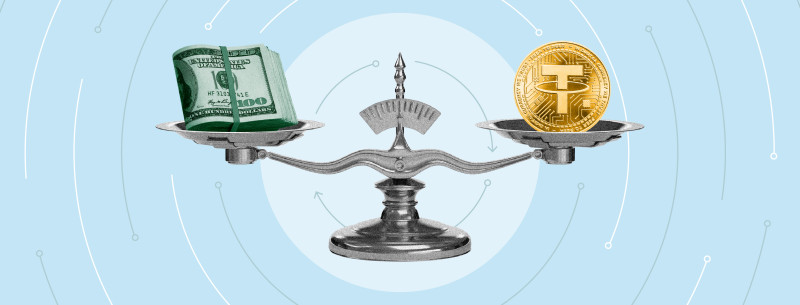
Stablecoins are a kind of digital money. Most are pegged one-to-one to a fiat currency like the U.S. dollar. They run on networks like Ethereum and Tron. This combination gives transparent ledger and stable price, making them useful for daily use. Unlike Bitcoin, which can swing hard in price, stablecoins stay close to one dollar.
When we speak about where to use crypto, stablecoins come up first. They act as a bridge between old banks and new decentralized finance. Nearly two-thirds of all crypto transaction value comes from stablecoins, showing how much people rely on them. In the U.S., user counts for crypto payments grew 350 percent over a three-year span, pushed by remittances and support from firms like Stripe and Checkout.com.
These coins keep a steady value because they hold reserves. That makes them good for shops and cross-border sends. I like that they cut the noise of wild price moves. You can plan your spend without fear of a sudden drop.
Nearly two-thirds of all cryptocurrency transaction value is attributed to stablecoins.
Kinds Of Stablecoins
There are a couple kinds of stablecoins. Each backs its value differently. Knowing the types helps you pick what fits your need when thinking about where to use crypto. I'll list the main ones so you get the shape of the market.
Main stablecoin types
The algorithmic type is the tricky one. It relies on programs to keep price, not on held assets. The collapse of TerraUSD in 2022 showed how bad this can go. I mention that not to scare you, but to keep your eyes open. Where to use crypto safely means knowing what sits behind the coin.
Where Stablecoins Get Used
The big question of where to use crypto often leads to stablecoins. They work for plain payments, sending cash abroad, and as a safe store when local money loses value. I'll walk through the common uses so you see the real worth.
You can learn how to actually make a payment with crypto with these coins. They settle fast and cost little next to bank wires. In places with weak banks, this is a life saver. Also, some folks buy hosting using crypto for their websites, since many providers take stablecoins. That's a clear case of where to use crypto outside the trading screen.
Real world stablecoin uses
- On-ramp to DeFi for lending and borrowing.
- Peer-to-peer payments with low fees.
- Cross-border remittances that cut cost by about 60 percent versus old methods.
- Foreign trade and import financing without middlemen.
- Store of value in high inflation countries, often at a small premium.
Businesses use them for trade too. A firm can pay a supplier in a global digital coin and skip exchange hassle. In spots with shaky local cash, people park savings in dollar coins. That's a quiet but huge shift in where to use crypto.
Crypto Wallets And Your Address
To use any coin you need a wallet. A wallet holds your keys and lets you send or get coins. The string you share to receive funds is your crypto wallet address . Keep it safe and check it twice before sending. One wrong char and your money goes to a void.
Wallets come in many forms, from phone apps to hardware sticks. When you think about where to use crypto, the wallet is the door you walk through. Pick a simple one and learn the basics first. Most apps show you the address as a long mix of letters and numbers.
We should note that wallets often lean on central services to read chain data. That's a fact from how the system is built. So your crypto wallet address may be fine, but the app might still call a third party to show your balance. Good to know.
Buying And Selling Crypto
People often ask me where you can buy and sell crypto without hassle. The best way to buy crypto depends on where you live and what app you trust. Some use big exchanges, others use payment apps. I can't tell you one magic spot, but I can say start small.
If you wonder how we can buy crypto with everyday tools, know that some cards work. For example, buying crypto with an Apple Card is a common search, though rules change by region. And what crypto is good to buy is a personal call; many start with stablecoins to avoid wild swings. That ties back to where to use crypto in daily life.
Speaking of stablecoins, a reader might ask which stablecoin to buy . Look at transparency and reserves. USDC posts weekly proofs, which I like. Also, the leading crypto currency Bitcoin still leads in name, but stablecoins lead in daily use. Both have a place when you map where to use crypto.
Selling works much like buying. You send coins to an exchange, trade for cash, and pull to your bank. Fees vary. Read the fine print so you don't get bitten. This part of where to use crypto is just nuts and bolts.
Payments Industry Views
A survey of payment leaders showed strong belief in crypto for speed. Most said blockchain will make payments faster in the next few years. Cost for international sends should drop too. Yet only a small slice now support crypto payments, due to unclear rules.
97 percent of respondents believe blockchain and crypto will accelerate payment speed within the next three years.
Where to use crypto in business is clear: cross-border flows and cheap settlement. But firms want green energy and clear law first. That's fair. About 90 percent see cost gains for international tx, and 75 percent for domestic. The main blocks are reg ambiguity and eco worries. Most know proof-of-stake helps, but they still flag the issue.
I think the gap between talk and action will close as rules land. Until then, where to use crypto for big firms stays limited. Small users already benefit, though.
Crypto In Retirement Plans
Some job retirement plans now offer crypto as an option. This is new and comes with sharp risk. The U.S. Labor Department tells plan bosses to take "extreme care" before adding crypto to core lineups.
Plan sponsors should exercise extreme care before adding crypto to core investment lineups.
If you use a self-directed window, you carry the load of watching your own crypto save. Crypto can hit record highs but also crash hard. Near retirement, that swing can hurt. The Department of Labor can't fully see these holdings because small plans skip detailed reports. So you are on your own to track.
Where to use crypto for long-term save is a hot debate. I'd say know your risk mood. If a 30 percent drop ruins your sleep, maybe keep it tiny. The law under ERISA asks fiduciaries to act in your best interest, but self-directed choices are yours.
Crypto Ads And Builder Incentives
In crypto, almost any action that earns a dev a fee acts like an ad. The line between normal content and sponsored stuff is thin. Builders embed codes in trades and earn referral fees. Wallets like Phantom make big money this way without banner ads. In the Hyperliquid system, outside builders earned over $10 million in fees.
Any piece of media, content, or user interface where the creator or developer earns a fee for having you do something on-chain is an ad, full stop.
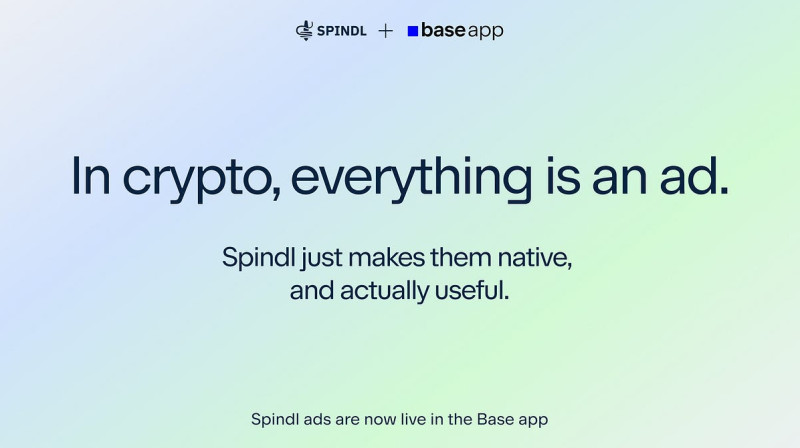
Ad platforms like Spindl put promos in app feeds. They charge only when you do an on-chain action like a swap. This native model can fool users, so stay sharp. Mini-app boosts on Farcaster work the same: any UI that earns a dev fee is basically an ad. Where to use crypto apps means you might be the product without knowing.
I don't hate this model, but I want you awake. If a post asks you to stake or mint, check who gains. Sponsored content must be disclosed by law, yet the line stays blurry in crypto.
Web3 Architecture Realities
Many dream of a fully decentralized web. The truth is most apps lean on central services. Wallets and dApps often use Infura or Alchemy to read blockchain data. Even MetaMask routes through Infura. This client-server imbalance means your phone app is not a full node.
NFTs show this well. An NFT often just stores a link to an image off-chain. If OpenSea removes the listing, the item can vanish from your wallet view. So where to use crypto safely means knowing these weak spots. Etherscan and OpenSea APIs concentrate data, much like routing all traffic through one big firm.

The takeaway from Moxie Marlinspike's work is that we can't fully decouple from central helpers. Email is the same with Gmail. Crypto adds immutability but keeps central points. Designers should build for that reality, not pretend it's not there. I find that honest view useful when picking tools.
Rational Skeptic View
Some smart folks say crypto just rebuilds old finance but worse. That critique has merit, yet blockchain adds a parallel economy. It creates new assets and jobs rather than only replacing old ones. Think of it as a sky-high layer on top of real estate.
DeFi lets people lend and borrow without banks, which can boost capital use. Talented engineers flock to crypto, building real tools. Stablecoins for payments show product-market fit based on utility, not ideology. Users adopt them to cut remittance cost, plain and simple.
Even if the token part went away, the base chain gives clear, programmable records. That helps supply chains and ID checks. So where to use crypto is not just coin speculation. The tech under it has quiet value. I lean positive but not blind.
Regional Adoption Trends
Stablecoin use grows across the globe. Latin America and Sub-Saharan Africa see big year growth due to cheap remittances. Eastern Asia grows with regs sandboxes. Turkey leads the world in stablecoin trading vs GDP. North America and Western Europe grow slower but institutions use them for liquidity.
Regional stablecoin trends
- Latin America and Africa: retail transfer volumes up over 40 percent yearly.
- Eastern Asia: 32 percent yearly growth with Hong Kong sandbox.
- Eastern Europe: 29 percent yearly growth.
- Western Europe: UK merchant market up 58.4 percent yearly, steady 60-80 percent share.
- Middle East: Turkey, Saudi, UAE shift to stablecoins and altcoins.
The numbers tell a story. In places where local money fails, folks grab dollar coins. In rich regions, shops and banks test quietly. Where to use crypto thus looks different by map. I find that split fascinating.
Regulatory Rules Around The World
Rules for stablecoins differ by place. The EU has MiCA, a full framework that took effect in 2024. Singapore and Japan have clear rules too. The U.S. still lacks one federal law, leaving uncertainty for issuers.
Key regulatory approaches
- EU MiCA: two token classes, strict rules for large stablecoins under EBA watch.
- Singapore: framework for single-currency stablecoins pegged to SGD or G10.
- Hong Kong: sandbox since 2024 to test business models with three projects.
- Japan: early framework allowing banks to issue fiat-backed coins under reserve rules.
- United States: no comprehensive federal framework; agencies give guidance only.
The EU splits tokens into Asset-Referenced and E-Money types. Big ones face harder capital rules. In the U.S., a 2023 House proposal sought clear reserve and AML rules, but it didn't become law. FinCEN and SEC have spoken, yet fog remains. Where to use crypto with confidence needs this clarity.
Major Stablecoin Issuers
A few big names issue most stablecoins. Tether (USDT) is the largest, with near $100 billion in reserves. Circle (USDC) is known for weekly proofs. Paxos powers PayPal's PYUSD. These firms shape where to use crypto day to day.
Top stablecoin issuers
- Tether (USDT) - largest, multi-chain, big Treasury reserves via Cantor Fitzgerald.
- Circle (USDC) - high transparency with weekly attestations of cash and T-bills.
- Paxos - issues USDP and PayPal's PYUSD with monthly attestations.
- PayPal (PYUSD) - backed by Paxos reserves, regular public reports.
Tether also expanded into dirham and gold-backed tokens. Circle's openness sets a bar. Paxos emphasizes trust. When you pick a coin, check who stands behind it. That's a plain step in where to use crypto well.

Illicit Use And Freezing Power
Bad actors may use stablecoins to dodge sanctions. But centralized issuers can freeze tokens. Tether works with law enforcement and chain analysis firms. Decentralized coins like DAI can't be frozen by one party. This split matters for safety and law.
Centralized stablecoins can be frozen or burned by their issuers; decentralized stablecoins cannot.
Where to use crypto matters for safety. Use known wallets and check the issuer's policy. Blockchain records help cops trace flows, but privacy is not total. Entities in sanctioned lands have tried stablecoins, yet the open ledger aids detection. I'd rather stay on the clean side.
Issuers like Tether can burn tokens linked to crime. That power cuts abuse but also shows central control. Decentralized coins avoid that but lack a kill switch. Weigh both when you decide where to use crypto for your own needs.
Related posts


Comments on “Where to Use Crypto: From Stablecoins to Retirement Plans”
No comments yet. Be the first to share your thoughts.