
- Form 1099-MISC for $600 plus crypto income like staking rewards
- Form 1099-DA for proceeds from crypto sales and swaps
- Form 1099-B only for regulated futures on the exchange
- Gain or Loss summary inside Taxes menu, not sent to IRS
- Form 1099-K not used by Coinbase for normal trades after 2020
How I Download Coinbase Tax Documents and Stay Safe with IRS
22 September, 2026
0 comments

Why Coinbase Tax Documents Matter
More than 50 million people in the United States buy and trade crypto. Many use centralized exchanges like Coinbase. As a big public company, Coinbase follows strict U.S. tax rules. It sends proceeds and tax info to the IRS. I care about this because I don't want a letter from the government. The main word is coinbase tax documents, and they are the key to staying clear. What Coinbase reports to IRS includes your sales proceeds and some income figures.
The IRS treats cryptocurrency as property. That simple fact changes everything. If you sell or trade, you face tax on the difference between cost and proceed. Just buying with USD is not a taxable event. But swapping one coin for another is. Taxation on cryptocurrency works like stocks or land. I explain this to friends who think crypto is a wild west. It's not, the taxman sees it.
All taxable crypto events must be reported even if you get no form. That's a rule many miss. Coinbase may send you a 1099-MISC for staking rewards over $600. The new 1099-DA covers sales. But you still list everything on your return. I keep a folder for each year's coinbase tax documents so I know where they are.
Where to Find Your Coinbase Tax Documents
You can download your coinbase tax documents by opening the Taxes menu from your account home. Select the Documents or Statements tab. There you find forms, gain or loss summaries, and CSV files. These are not official tax statements, but they hold the math you need. I like that the menu is easy to spot.
For transaction history, you can grab monthly or yearly files in CSV, HTML, or PDF. The files list buys, sells, conversions, staking, deposits, withdrawals, and transfers. Add any new trades between download and filing. That step keeps your record full. I mark the download date on the file name.
If you use CoinTracker, you can import Coinbase activity through an API. That skips the manual click. Some folks prefer the CSV route and that's fine. The point is to get the data into a shape you can use. Coinbase tax documents are only useful if you actually open them. The gain or loss summary inside the menu is a good starting view but not sent to the IRS.
Forms You Might Get From Coinbase
Coinbase sends different forms based on what you did. Form 1099-MISC arrives when you earn $600 or more on staking, interest, or bonuses. Form 1099-DA is the new one for sales and disposals. Most users never get a 1099-B unless they trade regulated futures. Form 1099-K is gone for standard trades since the 2020 tax year.
Main forms at a glance
Form 1099-DA gives the IRS direct visibility into centralized exchange activity.
Coinbase Wallet and Base do not issue tax forms. If you use those, you must track and report on your own. DeFi apps also need manual entry. This is a key point because the exchange only knows what happens on its own books. I write down wallet moves in a notebook.
The gain or loss summary inside the Taxes menu breaks activity into categories. It shows converted crypto, sold and spent crypto, and futures trades. It is a starting point, not a final answer. If you used many platforms, a crypto tax tool fills the gaps. Coinbase tax documents are just one piece of the puzzle.
Form 1099-DA Explained
The new Form 1099-DA is sent by Coinbase to you and the IRS. It reports gross proceeds from sales, conversions, and other taxable disposals. For the first period it applies, it often shows only proceeds, not your cost basis. That means the form might list a big number but not what you paid to get the asset. I read mine twice to be sure.
Covered vs non-covered assets matter here. Covered assets are those bought and held on Coinbase after a certain date and sold there; later they will include cost basis. Non-covered are coins moved in from elsewhere or bought before that date. For those, you must find your own cost basis. The form generally reports your name, TIN, asset sold, dates, gross proceeds, and term if known.
IRS uses the 1099-DA to check your return. Its automated system matches forms to what you file. A mismatch can trigger a CP2000 notice proposing extra tax. Letters 6174 or 6174-A warn about missing crypto. Letter 6173 asks for proof. These are not accusations, just requests. I keep all my coinbase tax documents in case I need to reply.
Where to find the form: online Tax Center or Documents section, email secure link, or mail. It is not a completed tax report. It does not calculate tax or replace Form 8949. It does not capture staking or interest; that is 1099-MISC. Knowing this saves confusion. For the first period, only gross proceeds are reported per transaction. Excluded items include small stablecoin sales, certain NFT sales, wrapping, lending, and on-chain DeFi.
Coinbase Pro Old Data Access
Coinbase Pro was deprecated on December 1, 2023. All customers moved to Coinbase Advanced Trade. But you may still need old transaction history from Pro for past tax years. The steps to get those files are a bit different inside the main account. I had to do this once and it took a few clicks.
How to get Coinbase Pro statements
- Sign in to your Coinbase account
- Select your avatar and choose Manage your profile
- From side rail pick Statements
- In Statements section select Coinbase Pro top bar
- Choose Generate a custom report with portfolios and date range
- Pick PDF or CSV format then click Download
- Alternative monthly statements available for each month
The CSV works well if you import into tax software. PDF is easy to read. I suggest grabbing both if you had lots of trades back then. Don't ignore old data; the IRS can look back. Coinbase Pro records show buys, sells, and transfers just like the main site.
Monthly statements are a backup if custom report feels hard. You can pull one month at a time. That helps if you only need a slice of the year. Keep these files with your current coinbase tax documents. A full picture prevents gaps.
Report Crypto Income and Sales
You report taxable events on Form 8949 and Schedule D. Form 8949 lists each sale with dates, proceeds, and cost basis. Short-term holdings (one year or less) go in Part I; long-term in Part II. Totals flow to Schedule D. Boxes A through L are picked based on forms and basis reported. I fill this with care.
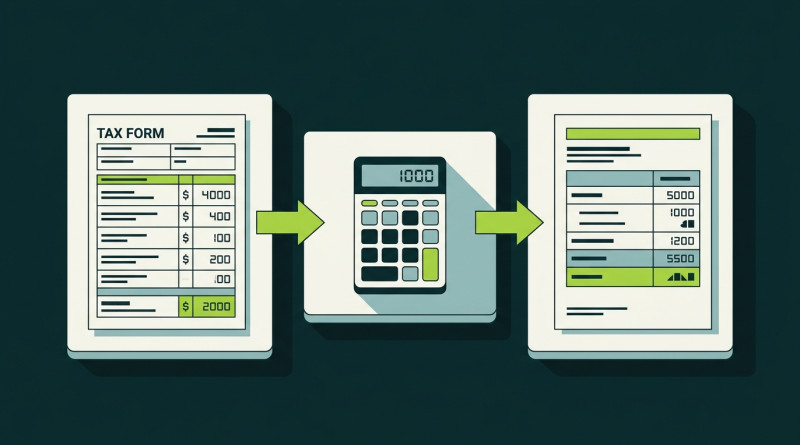
Steps the IRS expects
- Download or import transaction history from Coinbase
- Calculate gains and losses using cost basis in USD
- Gather any 1099 forms you got, even if none
- Fill out Form 8949 and Schedule D with correct boxes
- Report ordinary income like staking on Schedule 1 or C
- Attach summary statement if you have hundreds of trades
If your software totals don't match the 1099-DA, both may be right. The form may exclude small stablecoin sales or NFTs under a threshold. You reconcile on Form 8949. I keep a note of every trade so I can explain differences. The IRS sees both the form and your return, so docs prevent problems.
Choose an accounting method like FIFO, HIFO, or LIFO. The IRS requires a written selection before the year if not FIFO. Calculations must be in USD. Cost basis follows the asset when moved between exchanges. Coinbase may not detect off-platform moves, so you bridge the gap. This is where coinbase tax documents meet your own notes.
Cost Basis and Multiple Wallets
Cost basis is what you paid for each coin, plus fees. Without it, you can't figure gain or loss. When you move crypto between wallets, the basis follows the asset. A common snag: the 1099-DA shows $0 basis because the broker never saw your buy. For example, you bought SOL in a hardware wallet, moved to exchange, sold; form shows proceeds only.
The biggest mistake I see is investors who assume their exchange handles everything. Your exchange reports what it knows, but only you have the full picture across all platforms, wallets, and DeFi activity.
You are allowed and expected to report your own basis on Form 8949. Never just report $0 because the form says so. Rebuild records from bank statements or blockchain data. This keeps you safe from a huge fake gain. An IRS notice gave temporary relief for taxpayer lot ID with good records. I use that to sleep at night.
A clean consolidated report shows each taxable event, short vs long term, and losses. Short-term gains taxed as ordinary income; long-term at lower capital gains rates. Losses offset gains; carryover losses from previous years can offset current gains. Consolidation ensures nothing missed so you pay what owed, not more. I merge all my CSVs into one view.

Using Crypto Tax Software
Many people use tools to make this easy. CoinTracker links with 300-plus exchanges and wallets. Koinly and CoinTracking do similar jobs. the best crypto tax software picks choices often include those names. TurboTax crypto reporting works if you have Premier or higher version. A survey found most users feel more sure with software.
Some folks ask if there is a free crypto tax software option. A few basic tools exist but may limit trades. Crypto tax websites often list free tiers. I say pick one that fits your trade count so you don't pay for nothing. If you have only a few sales, a spreadsheet might do.
Software generates the summary statement and Form 8949 automatically. That saves hours. It also flags missing cost basis by pulling historical prices. I still check the output because garbage in gives garbage out. Coinbase tax documents feed the tool, but you own the final return.
Staying Safe From Tax Scams
Tax season brings out thieves. They pretend to be IRS, push urgency, or promise refunds. The real IRS never demands crypto or gift cards by phone. I tell my friends: pause before you send any money if fear is used. Scammers spoof caller ID and send fake texts.
Common crypto tax scams
- You owe back taxes call demanding crypto payment
- Surprise refund text with fake IRS link
- Crypto audit scam asking to move coins to verify
- Fraudulent preparers wanting full account access
- Phishing mails that mimic Coinbase statements
No legitimate authority asks that. If tax questions: access official tax documents directly within your Coinbase account.
Protect yourself with strong passwords and multi-factor auth. File early if you can. If you suspect fraud, report to TIGTA and IdentityTheft.gov. Staying calm beats panic every time. Education is the key defense; share warnings with family who might fall for it.
Check preparer credentials before you hire. They must have a PTIN and sign the return. Never share exchange login credentials. Pay based on work, not refund size. I do my own simple return but I'd vet a pro hard if I used one.
Coinbase Wallet and DeFi Reporting
Coinbase Wallet and Base don't send tax forms. That means you must track those trades alone. DeFi apps also need manual inclusion. I keep a simple spreadsheet for any wallet activity outside the main exchange. The IRS looks at on-chain data too, so don't think it's hidden.
The crypto com tax statement from another exchange is similar but separate. If you also use Crypto.com, you get their forms and must merge with Coinbase. Crypto com report to irs just like Coinbase does. Same goes for binance us taxes if you trade there. Each platform sends its own 1099-DA. You bring them together.
Some activities are not on the form but still taxable. Wrapping ETH to WETH, lending, staking deferred, on-chain DeFi. Just because not on form doesn't mean free. I note these in my own ledger. Coinbase tax documents only cover the central platform.
Common Mistakes to Avoid
People mess up crypto taxes in silly ways. Forgetting crypto-to-crypto trades is a big one; those are taxable. Using wrong holding period is another; you need over one year for long-term rates. Ignoring gas fees can skew basis. Missing checkbox A-L on 8949 is a frequent error.
Errors that trigger IRS notices
- Missing crypto-to-crypto swaps as taxable events
- Wrong short vs long term hold count
- Not reconciling with Form 1099-DA proceeds
- Leaving cost basis blank when you have records
- Double counting if software auto imports 1099-MISC
Another goof is thinking $600 threshold means small income is tax-free. No, all taxable income must be reported; $600 only decides if Coinbase issues a form. I double check every number before send. If you never reported crypto before, start now; the IRS has data.
If your form is late, consider an extension. You can use your own basis under relief rules but need the form to confirm proceeds. Coinbase may let you add basis in account, but updates may not reach IRS. You stay responsible for accurate return. This is why I download early.
Questions People Ask
Readers often wonder about forms. Can the IRS look at Coinbase? Yes, through reports and blockchain tools. Do exchanges issue 1099-B for crypto? Only for regulated futures. How to avoid tax legally? You can't skip taxable events, but loss harvesting helps. Do you need to report if less than $600? Yes, all taxable income counts.
Some ask about 1099 nec form vs 1099 misc because they got paid for work. Coinbase uses 1099-MISC for rewards, not NEC. If you do freelance crypto pay, that's a different form. I keep these straight by reading the form name on top. The two forms serve different income types.
Not receiving form does not exempt reporting; you must report taxable disposals on Form 8949/Schedule D.
If you traded on three exchanges, you get three 1099-DAs. You bring them together on one return. The form is permanent, not a one-time thing. Cost basis reporting will expand later for covered assets. I tell newcomers: treat each platform form as a puzzle piece.
Does Coinbase accept tax ID numbers? It requires SSN or ITIN for identity check to issue forms. What is Form 8949 and Schedule D? They report each capital sale and summarize totals. Do you need to list every transaction? Yes, each disposal on 8949; if hundreds, attach summary. Can you use TurboTax? Yes, Premier and up support import.
Keeping Records Straight
A clean consolidated report shows each taxable event and gain type. I like to gather all CSVs into one tool. This ensures nothing missed so you pay what owed, not more. Losses can offset gains and carry over. A summary statement with column totals helps if the IRS asks.
Short-term gains get taxed as ordinary income; long-term at lower rates. That's why hold period matters. Use FIFO or another method and write it down. The IRS wants consistency across years. Coinbase tax documents are the spine of this record, but your own notes are the flesh.
Blockchain analytics firms help IRS cross-check. They use tools from Chainalysis, TRM Labs, Elliptic. This means off-exchange moves are not invisible. I keep screenshots of transfers as backup. A well kept record is a calm mind.
My Take on Staying Calm With Taxes
I'm not a tax guru, just a regular user who learned the hard way that coinbase tax documents are your friend. Pull them early, read them slow, and use software if needed. The IRS already has the data, so your job is to match it and add what they can't see. No need to freak out.
Hey, don't skip the part about cost basis. That one's important, pay attention. If your form shows zero basis, you fix it on your return. Keep your own records safe. That's the whole game. I store PDFs in a password folder and sleep fine.
Share this with a friend who trades but hates taxes. The more we talk plain, the less scary it gets. Coinbase tax documents are just papers; you are the one in control. Take a breath, open the Taxes menu, and start.




Comments on “How I Download Coinbase Tax Documents and Stay Safe with IRS”
No comments yet. Be the first to share your thoughts.