
Crypto Vault vs Wallet: How I Choose the Right Storage for Coins

Crypto Vault vs Wallet: The Basic Idea
During long time I didn't get the difference between crypto vault vs wallet. But they are not the same thing. If you are new, the names sound like two boxes for coins. But they work different. A wallet lets you touch the blockchain fast. A vault puts more locks on your stash. When I first read up on this, I saw the choice comes down to security, access, and trade frequency. I'll explain each in plain terms so you can keep crypto safe without confusion.
Not sure about crypto vault vs wallet difference? I was too. The short version: a wallet holds the keys to move coins. A vault is a storage fix that adds steps before coins leave. In this post I break down the basics so you can pick what fits your needs. Think of the best place to store your crypto as the spot that matches your daily habits and your pile size. A wallet is like a key to a bike lock. A vault is like a safe with a timer.
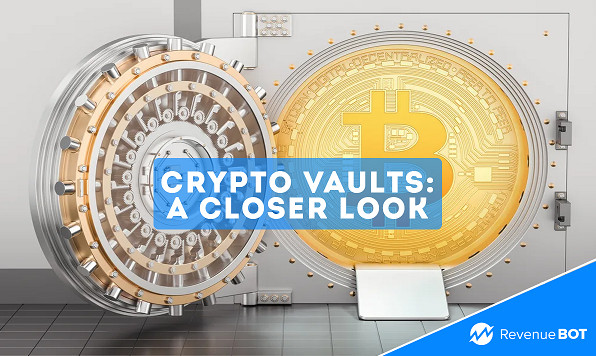
We should also note there is a third way: custodial exchange accounts. They sit between you and the keys. But the main word of this post is crypto vault vs wallet, so I keep the exchange talk short. The big tip is to match the tool to how often you trade and how much you hold. Small daily spend wants a hot wallet. Big sleep-forever stack wants cold or vault.
What Is a Crypto Wallet
From my perspective, a crypto wallet is a tool that talks to a blockchain. It does not really "store" the coin. The coin sits on a public ledger. What the wallet keeps are the private and public keys. I like to say the wallet is a key ring, not a piggy bank. When you ask what is a wallet cryptocurrency you are really asking about this key system. The public key is like a bank account number you can share. The private key is a secret code that moves funds.
Key things a wallet holds
- Public key – share it to get paid
- Private key – never show it to anyone
- Seed phrase – 12 to 24 words to recover
- Key-pair system for hot or cold use
A wallet does not actually “store” the cryptocurrency; the assets exist on the blockchain ledger.
All wallets use this key pair, whether they are hot (online) or cold (offline). If you lose the private key or seed, the money is gone for good. That is why I tell friends to write the seed on paper and hide it. For Bitcoin, a wallet is just an address on the chain that shows your balance. After you use an address, it is smart to make a new one. Old address still works but is less fresh.
I realized that the wallet never holds the token. It holds the right to sign. Think of a Bitcoin token as a string on the shared ledger. Your wallet points to it. This is core to understanding crypto vault vs wallet because both deal with keys, but the vault adds gatekeepers. A simple wallet signs when you say go. No wait, no second look.
Hot Wallets and Cold Wallets
Wallets split into two camps by how they connect. Hot wallets stay online. They are apps on your phone, browser, or PC. They are quick for trades and daily spends. Cold wallets stay offline. They are hardware sticks, paper prints, or air-gapped PCs. The most common crypto wallets people start with are hot ones because they are free and easy. But the tradeoff is clear: online means more risk from phishers.
Hot wallet types
- Mobile apps for on the go
- Web wallets in your browser
- Desktop programs on a computer
- Good for frequent small sends
I can say hot wallets feel friendly. You install, you see coins, you pay. But they keep keys on a device that touches the net. A virus can steal. Cold wallets are the opposite. If you want to learn how to store crypto on cold wallet you buy a device, send coins to its address, and keep it unplugged. The private key never touches the net. That is the core of how does cold storage work crypto at a basic level. It is slow but safe.
Cold wallets include paper with QR codes and air-gapped computers. Paper is free but easy to ruin. Air-gapped is for pros. Hardware like Ledger or Trezor is the common pick. They sign on the device, then broadcast. In the crypto vault vs wallet map, cold wallets are the "digital vault" for many. They do not have the extra approval steps of a true vault, but keys offline is a huge shield.
What Is a Crypto Vault
A crypto vault is a storage service with extra armor. The term Bitcoin Vault was coined by Coinbase in 2014 to mean a safer option than their normal online wallet. Since then many firms offer vaults. I see a vault as a wallet on steroids. It still holds your Bitcoin but adds approval steps and often insurance. When you weigh crypto vault vs wallet, the vault is the one that says "wait a minute" before any big move.
The term Bitcoin Vault was coined by Coinbase in 2014 to describe a “safer option for storing bitcoins”
I noted three differences between vaults and wallets. First, many impose a 48-hour withdrawal delay so the provider can call you. Second, they spread coins across servers not directly on the net. Coinbase Vault kept about 97% of coins on a global spread of offline servers. Third, some add insurance. Xapo covers vault accounts. This is why folks seeking the best safe crypto wallet often end up in a vault, though it is not a wallet in the pure key sense.
A vault is passive. It does not sign deals day to day. You ask, it checks, then maybe moves. A wallet is active and connected. That is the split. In crypto vault vs wallet, the vault is for holding, the wallet is for using. Both can store Bitcoin, but the feel is different. I like to think of vault as a parked car with a club on the wheel.
How Crypto Vaults Work
The flow is simple to trace. You send coins from a hot wallet or exchange to the vault address. The vault locks them with encryption and multisig. To take coins out, you ask. Then the vault runs its rules: a smart contract, a time delay, or multiple sign-offs. Only after all that does the money leave. This mix makes vaults tough against phishing and fast theft.
Vault withdrawal steps
- User sends a pull request
- Contract or time lock kicks in
- Multiple owners may approve
- Funds move to your address
Because a vault is passive, it does not sign deals for you day to day. It just sits and guards. That is a big split in crypto vault vs wallet use. A hot wallet signs all the time; a vault waits for your alert and then checks ID. Multisig means many keys needed. Time delay means a thief hits a wall. Cold-storage elements mean keys offline. All good.
Some vaults are smart-contract based, some time-locked, some multisig, some hybrid. The hybrid keeps a little hot for fast use and the rest cold. That blur helps people who can't pick side in crypto vault vs wallet. They get both. But remember a vault is usually a service you trust, not a device you own.
Types of Crypto Vaults
Not all vaults are the same. Some use code on the chain to enforce rules. Some force a wait timer. Some need many keys. Others mix hot and cold. If you search what are the top crypto wallets you may see vault features baked into wallet apps now, but pure vaults stay separate services. Below is a plain list of the main kinds I found in my reading.
Kinds of vaults
- Smart-contract vaults – auto code control
- Time-locked vaults – mandatory wait
- Multisig vaults – 2-of-3 or more sign
- Hybrid vaults – small hot, big cold

Smart-contract vaults run on blockchain logic. No person needed to say yes. Time-locked vaults just wait, so you can cancel if you changed mind. Multisig vaults need a group, good for family or biz. Hybrid vaults are the bridge. In the crypto vault vs wallet debate, hybrid shows the line is thin now. A wallet with a delay feature is halfway a vault.
Vaults may add insurance or geographic spread. The source notes Xapo insurance. That is a perk a normal wallet can't give. But you pay with less speed. I think for big stacks, the wait is fine. For daily coffee coins, a vault is overkill. Pick by size.
Exchange Accounts and Their Risks
Many new folks keep coins on an exchange. The platform uses one big "fat" wallet for all users. You see a balance but you don't hold the key. This is easy for trading but risky. A hack can drain the pool. I always flag this: don't treat an exchange as your best digital currency wallet for long holds. Move coins out when you can.
A successful breach can empty the fat wallet, leaving users with little recourse for refunds.
Exchanges can also freeze accounts or halt withdrawals. That is platform risk. The safe path is buy there, then send to your own wallet. In the crypto vault vs wallet talk, an exchange is neither-it is custodial. You trust a third party with your keys. They can delist a coin or block your cash. Not your keys, not your coins, as the saying goes.
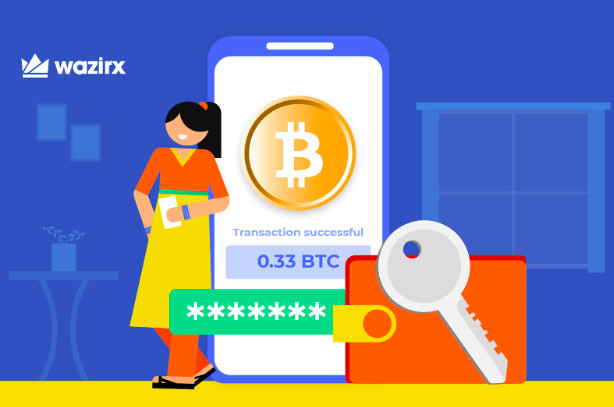
The exchange shows you a number, but the token sits in their pool. You have a claim, not ownership. If they fail, you may wait in line. For this reason most security guidance says keep large holdings off exchange. Use it for buy and trade, then move. That is a plain rule I follow. A wallet or vault gives you the key back.
Hardware Wallets for Cold Storage
Hardware wallets like Ledger or Trezor look like USB sticks. They make keys offline and sign on the device. Your key never leaves. When shoppers look for an amazon cold wallet they usually mean one of these brands. They cost $50 to $200, which is cheap insurance for big stacks. I think a hardware unit is the solid middle ground for most holders.
Hardware wallet pros
- Keys never touch the internet
- Handles Bitcoin, Ethereum, tokens
- Seed phrase restores on new device
- Good for occasional access
To spend, you plug it in, enter a PIN, and approve on screen. That is how does cold storage work crypto in practice. The device stays cold; only signed data goes out. If you lose the device, the seed brings back your coins. The cons: you must guard the device and the paper seed. A fire or flood can eat both if not copied.
Hardware wallets support many coins, not just Bitcoin. Most manage ERC-20 tokens too. They are not a vault with delays, but offline keys beat any hot wallet for safety. In crypto vault vs wallet, hardware is the cold wallet champ. Add a vault service if you want insurance and shared control.
Software Wallets for Daily Use
Software wallets run on your phone or PC. They store keys on the device or cloud. MetaMask is big for Ethereum stuff. Braavos and Argent X run on Starknet. CoinRabbit mixes a hot wallet with lending. When people ask what is the most popular crypto wallet the answer often points to these free apps because they are simple to install.

They sign fast and link to dApps. But they are hot, so a virus can hurt. Use them for small day-to-day amounts. For the best place to store your crypto when sums grow, pair a hot app with a cold device. MetaMask, Trust Wallet, and others are great for DeFi and NFTs. Just don't keep life savings there.
Some software wallets add neat features like swapping or staking. CoinRabbit adds lending. These are handy but still hot. I keep a small balance in a hot wallet for quick pays. The rest goes to hardware. That split is common and sane. The crypto vault vs wallet choice for me is hot for spend, cold for save, vault for big idle.
Ethereum and Layer-2 Wallets
Ethereum is a base chain (L1). It can get slow and pricey when busy. Layer-2 like Starknet runs trades off the main chain for speed and low fees. Both wallet types hold the same assets. You can bridge funds between them. I mention this because the crypto vault vs wallet choice also depends on which chain you use. A wallet on L2 is still a wallet, just cheaper to use.
If you wondered what is a wallet cryptocurrency on a L2, it is the same key pair idea, just pointed at a second layer. No new magic. You get faster confirmations and tiny gas. Good for gaming or micro-pays. L1 wallets are for high-value or long-term. L2 for daily. The wallet app often supports both with a network switch.
Bridges like StarkGate move coins between layers. You can keep a chunk on L1 cold and some on L2 hot. That is another way to balance. None of this changes the vault idea. A vault can hold L1 or L2 assets with the same lock steps. Keep it simple: pick chain by cost, pick storage by risk.
Buying Bitcoin: Wallet or Exchange
When you buy BTC, you pick where it lands. On an exchange, it sits in their pooled wallet. You have a number on a screen, not a key. With a self-custody wallet, the coins go to your own address right away. You control the key. This is the heart of crypto vault vs wallet vs exchange. I lean to self-custody for anything above pocket change.
Where coins sit after buy
- Exchange pooled "fat" wallet
- Self-custody personal address
- You hold the private key
- No third party can freeze it
Exchanges give a bank-like feel and easy fiat ramps. But they can limit withdrawals. A wallet gives freedom and full duty. The best place to store your crypto after buy is your own keys, then maybe a vault for large sums. Many users do hybrid: buy on exchange, move bulk to self-custody, keep some there for trade. That is practical.
Who controls after purchase? On exchange, they hold keys. On wallet, you do. Who controls after you buy? Exchange can freeze; wallet can't. Convenience vs control is the trade. I like exchange for the first step, then I send out fast. The crypto vault vs wallet question gets easier once you own the key.
Security Best Practices
No matter the type, habits matter. Turn on 2FA. Update software. Use strong passwords. Keep seed phrases offline on paper, not in email. Skip public Wi-Fi for wallet logins. If you want the best safe crypto wallet setup, pair these steps with a hardware device. I can't stress enough: guard the seed.
Core security tips
- Enable two-factor auth
- Keep wallet software updated
- Use unique strong passwords
- Store seed phrase offline safe
Never click suspicious links or reply to unsolicited messages requesting wallet details.
Watch for fake airdrops and too-good offers. Only download apps from official stores. A little paranoia keeps your stack intact. This applies to both crypto vault vs wallet users equally. Backup seed in fire-proof box. Maybe two copies in separate spots. Never type seed in a website. That is how thieves win.
Public Wi-Fi is a trap. If you must check balance, use cell data. 2FA via app beats SMS. Address whitelisting helps if your wallet supports it. Daily transfer limits cap damage. These layers make a hot wallet safer. But cold still wins for big hold. The source lists all these as core tips, and I agree.
Social Recovery and Guardians
Some new wallets like Loopring Smart Wallet drop the seed phrase for guardians. You pick 3 or more trusted people. To recover, a majority approves. This kills the single point of failure. If you seek the best digital currency wallet with friend help, this model is worth a look. I like that it removes the "lost paper" panic.
Guardian best practices
- Pick folks who don't know each other
- Use odd number like 3 or 5
- Test each guardian yearly
- Ask secret questions before approve
Loopring also adds cloud recovery, address whitelisting, and daily limits. Those features blur the line in crypto vault vs wallet since a wallet now acts like a mini vault. Good for users who want convenience but with brakes. Social recovery means no single seed to lose. But you must trust guardians not to collude.
Best practice: guardians should not know each other. Odd number so majority needed. Test once a year so they stay reachable. Tell them to ask a secret question before approving. That blocks SIM-swap scams. This is a fresh way to think about storage. Not pure vault, not pure wallet, something new.
Choosing the Right Storage for You
There is no one answer. I made a simple map from the source. Small first buy under $500? Exchange or mobile hot wallet. Moderate $500-$5k? Hot wallet with 2FA plus a small cold. Large over $5k? Hardware cold for main, hot for spend. Family or biz? Multisig vault. This is how I see crypto vault vs wallet fit per case.
Situations and picks
- First small buy: mobile hot wallet
- Moderate hold: hot plus cold backup
- Large long-term: hardware cold wallet
- Group funds: multi-sig vault
Frequent trader? Secure hot with whitelists and maybe an exchange for liquidity. Max security? Air-gapped cold or insured vault. Mix approaches. Most savvy users keep a hot wallet for daily and cold for savings. The crypto vault vs wallet split is not either-or. You can use both at once.
The source gives a clean matrix. First-timer small: exchange or mobile. Moderate: hot with 2FA and maybe small cold. Large: cold hardware primary. Family: multisig vault with guardians. Frequent DeFi: secure hot with limits. Max security: air-gapped or vault with insurance. I follow this kind of plan and sleep fine.
Common Questions on Crypto Storage
Let me answer a few quick ones. A wallet stores keys, not coins. Cold wallets beat remote hacks but need physical care. Lost seed means lost funds. Vault adds delay and multisig. If you asked how to store crypto on cold wallet the answer is: get hardware, send coins, unplug. For what are the top crypto wallets it depends on need: MetaMask for hot, Ledger for cold, vault service for big.
Quick answers
- Wallet = key manager, not coin piggy
- Cold vs hot = security vs speed
- Seed loss = no recovery
- Vault = extra approval layers
Some use MPC wallets that split keys across parties. They can match cold safety without a single offline stick. That is another twist in the crypto vault vs wallet story. MPC still uses software and net, so big firms pair it with cold. The best plan often stacks methods: hot for day, cold for save, vault for huge. I hope the plain talk helped you see the difference.
One more note: a hardware wallet is self-managed cold. A custodial wallet is third-party held. They are not the same. The best safe crypto wallet for one person is not for another. Size, skill, and trade habit decide. That is the whole point of this post on crypto vault vs wallet. Pick with eyes open.
Comments on “Crypto Vault vs Wallet: How I Choose the Right Storage for Coins”
No comments yet. Be the first to share your thoughts.