How I Choose the Most Common Crypto Wallets for Safe Everyday Use
What A Crypto Wallet Really Is
The most common crypto wallets don’t store actual coins. All funds live on the blockchain. A wallet keeps private keys that prove you own the funds. Keys are your proof to the blockchain when you want to move or spend coins. You must keep them safe. Lose keys and money is gone for good. When you ask what a wallet cryptocurrency is , it is just a tool that holds those keys, as software or hardware.
I like to think of a Bitcoin wallet as a real-life physical wallet or purse. There are many designs but main idea is to keep money handy and safe. You can hold even smallest unit, a Satoshi, which is one hundred millionth of a Bitcoin. Many wallets run on a smartphone, so you literally keep wallet in your pocket. The axiom in Bitcoin world says if you don't control the keys, you don't control the coins. That is the core of security.
if you don’t control the keys, you don’t control the coins
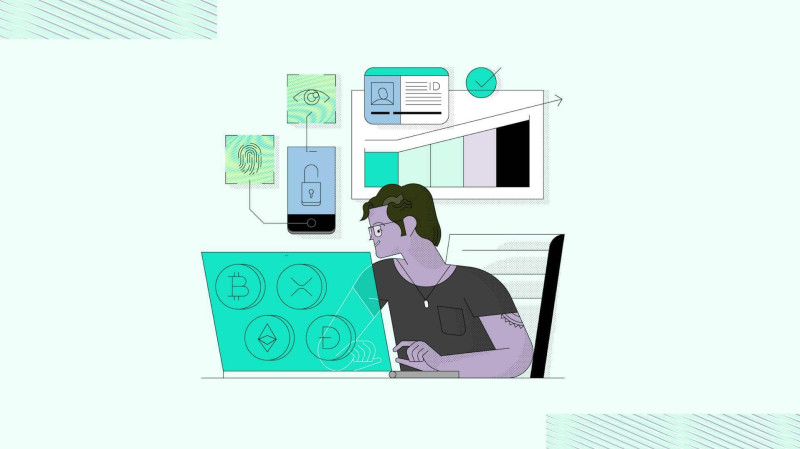
Public and private keys are a pair made each time a payment is made. Public keys let you receive funds and can be shared safe. Private keys must stay secret because they allow spending. A wallet address is a hashed version of public key. Wallets are the interface to blockchain. They provide public key to encrypt and private key to decrypt. Different wallets manage these keys in different ways, leading to types we discuss.
Custodial Vs Non-Custodial Wallets
Some wallets are custodial. That means a third party holds your keys. An online exchange like Coinbase is typical example. You log in and they sign transactions for you. It is easy but you hand keys to someone else. If they get hacked or freeze your account, you can’t move funds. There is always some risk because you rely on another party.
Non-custodial wallets put you in charge. You hold keys. Casa is one such wallet. They never see all your keys. This gives max control and security. When you look up crypto wallet online, you’ll see both types listed. I prefer non-custodial for peace of mind because no one can block my money. The choice shapes how safe your coins are.
Two main wallet custody types
- Custodial: third party holds keys, like an exchange
- Non-custodial: you hold keys, full control
- Self-custodial smart wallets use code for safety
- Mixing them can work for different needs
Smart Wallets And Their Tricks
Smart contract wallets are self-custodial and use code to add safety. They can do multi-signature, passkeys, social recovery, and spending limits. Ethereum started this idea and now many networks support it. Code is public so bugs get found fast by community. If flaw appears, it can be fixed by proxy without breaking old chain.
Multi-sig needs more than one sign to send money. If someone gets your PIN, they still can’t move funds without second sign. Passkeys use biometrics like fingerprint. They stay on device and never leave it. Social recovery lets trusted friends help you regain access after a delay. These features make the safe crypto wallet choice smarter and easier for normal people.
Smart wallet features I find useful
- Multi-signature: needs two or more signs to send
- Passkeys: biometric login, private key stays on device
- Social recovery: guardians vote to restore access
- Spending checks: daily limits and address whitelists
Smart contracts can provide automated checks including daily withdrawal limits, time delay for large withdrawals giving time to react to suspicious activity
Hot Wallets For Daily Use
Hot wallets stay online. They are software on your phone, computer, or browser. They give instant access. You tap and send. That speed is why traders like them. But being online means risk. Hackers can hit them through malware or bad sites. Every send is signed inside hot wallet with private key.
When people ask what the most popular crypto wallet is , they often mean MetaMask, Trust Wallet, or Phantom. These are free and always open. Binance and Coinbase also run hot wallets. But they are highest risk when you travel. I keep only small sums in hot wallets for daily buys.
Phishing is big danger. Fake email sends you to fake site, you type seed phrase, and thieves take your coins. Browser wallets are most exposed to this. Even software set as cold can fall to phishing if you slip. So stay sharp and never paste seed phrase into web page.
Common Software Wallets I Like
Software wallets are non-custodial and run on your device. They give you seed phrase: a list of words that rebuild your key. Write it offline on paper. Copay from Bitpay is friendly and works on iPhone, Android, Mac, Windows, Linux. It has shared account that needs two signatories. Blockchain Wallet is old and trusted with two-factor and multisig plus HD backup model.
Bitcoin Core is original desktop wallet built by Satoshi Nakamoto. It stores full blockchain, so it is slow but very safe. Breadwallet is simple for beginners and based in Zürich. Green Address works on iOS, Android, and Chrome and can act as hardware too. These are among top crypto wallets for everyday use by normal folks.
Software wallets from the source
- Copay: open source, shared accounts need two signs
- Blockchain Wallet: two-factor, multisig, easy for new users
- Bitcoin Core: full node, desktop only, very secure
- Breadwallet: iPhone and Android, good for start
- Green Address: HD wallet, two-factor, flexible
Cold Wallets Keep Keys Offline
Cold wallets are offline. They store keys on paper or hardware. To send funds, you make transaction on online interface, then sign it offline. Keys never touch net. This is the best place to store your crypto for long term hold. Process takes more steps but keeps hackers out.
The split is: one device holds keys offline, another talks to blockchain. Trezor is common cold wallet that looks like USB. You plug it, sign, unplug. If unplugged, sign stops. A device like Trezor Safe works with suite that builds transaction and sends it to device by cable. Slow but safe is name of the game.

Some folks wonder about crypto vault versus wallet . Vault is just tight cold storage method. Both keep keys off net. Point is no internet, no easy hack. Cold storage is pick for people who want to sleep well at night with big savings.
Hardware Wallets I Trust
Hardware wallets are dedicated devices. Trezor and Ledger are most common. Trezor generates keys offline and has 24-word seed. Models like Safe 3, 5, 7 exist, with Bitcoin-only firmware options on some. Ledger uses smart-card style and offers cheaper variants and credit card sized wireless. Both are solid. I read a Trezor review before I bought mine and it helped.
Tangem makes hardware and non-custodial software. They don’t hold your assets or act as exchange. Casa uses multiple keys so no single point fails. For large sums, combine cold hardware with Casa. That’s the best digital currency wallet setup for safety. Tangem also gives crypto-converter services through third parties, but they never touch your keys.
Common cold wallet products
- Trezor: small computer, offline key gen, models Safe 3/5/7
- Ledger Nano: screen, smart-card, cheaper variants
- Tangem: hardware and software, no custody
- Casa: multisig, needs 2 of 3 or 3 of 5 keys
- Paper wallets: keys printed, safe from hackers but fragile
Paper And Other Cold Storage
Paper wallets print keys on paper. No hacker can reach them since they’re offline. But fire, flood, or a dog can destroy them. You might look for an Amazon cold wallet but paper is cheap old way. Just store it in safe spot away from kids and weather. Special metal plates can also back up words.
Some software wallets can act cold if kept offline. Exodus, Electrum, Coinomi are examples. They are among most common crypto wallets for people who want control without device cost. You can generate keys on air-gapped machine and never connect it. That gives cold protection with free software.
Why Own More Than One Wallet
One wallet is enough, but two gives backup. Trezor suggests many reasons drawn from their blog. Second device is clone backup if first is lost or chewed by pet. You can gift one to friend to start self-custody. Use one for Bitcoin only, one for trading, one for travel. More devices mean more jobs but less single point of failure.
Split funds to lower risk. Use one for business, one for inheritance, one for teaching. Multisig needs several devices. If you set it up wrong you could lose access, so caution is key. Source lists eleven reasons that show how flexible hardware wallet can be for real life.
Reasons to own multiple hardware wallets
- Backup: clone device stored elsewhere
- Gifting: help others leave exchanges
- Bitcoin-only: keep BTC separate for simplicity
- Trading: one hot, one long-term cold
- Diversified: split funds across devices
- Inheritance: give device to family
- Business: separate personal and work
- Travel: limited funds on secondary
- Fun: collect new tech
- Teaching: demo at meetups
- Multisig: advanced no single point fail
ONE TREZOR IS ENOUGH BUT OWNING A SECOND DEVICE CAN GIVE EXTRA SECURITY, FLEXIBILITY, AND PEACE OF MIND
Picking Wallets For Travel
Travel is risky. Hot wallets on phone can be stolen or watched. Source says Trust Wallet, MetaMask, Phantom are highest risk when traveling. I take secondary hardware wallet with small funds. Keep main stack at home. That way loss on road is just small sting.
Use passphrase to make travel wallet inside your device. That way if device is taken, they only see limited funds. Pro tip from Trezor is to use hidden wallet with passphrase for trips. This fits need for safe travel setup without carrying life savings.
Big Balances Need More Safety
For large crypto amounts, cold hardware is pick. Combine with Casa multisig. Three-key needs two, five-key needs three. Thieves with one seed get nothing. This prevents single point of failure. Guide on best hardware wallets for large sums says same: keep keys apart and use multiple signs.
Hardware wallet only as safe as its seed phrase location. If hackers get phrase, they don’t need device. Millions of coins lost this way. So protect phrase like cash. Multiple-key solution is best for storing bitcoin and ethereum because it removes single point of failure that paper or one device brings.
Millions of BTC, ETH, other assets lost this way
Everyday Trades And Hot Vs Cold
Hot wallets give instant access for trades. Cold wallets are holder’s dream but slow. Most people keep some in hot to buy dips, rest in cold to secure profits. Know how keys stored and time needed. Few seconds can matter in wild market, but safety matters more for savings.
Proficient users balance it. They know what to keep ready. The safe crypto wallet pick for daily might be hot, but cold for savings. That’s the mix I use. You don’t need to be pro, just clear on which funds are for spending and which are for keeping.
My Simple Way To Choose
I don’t need PhD to keep crypto safe. I look at most common crypto wallets and pick by need. For daily small spends, hot wallet like MetaMask. For savings, Trezor cold wallet. For big sums, multisig with Casa. Start with one primary and one backup device and learn keys.
When you look up crypto wallet you see many names. Start simple. Learn how keys work. That’s the whole deal. The best digital currency wallet is the one you understand and protect. Pick by how you live, not by hype, and your coins stay yours.
Comments on “How I Choose the Most Common Crypto Wallets for Safe Everyday Use”
No comments yet. Be the first to share your thoughts.