
Is Crypto Wallet Safe? How to Protect Your Wallet From Modern Threats
What A Wallet Cryptocurrency Is
I keep wondering about the basics. So let's talk about what a wallet cryptocurrency is in plain words. From my perspective, a crypto wallet is an app, a service, or a physical thing like a USB stick. It holds your public and private keys. Those keys are just long strings of letters and numbers. They let you send and read crypto transactions. The wallet does not really store coins. The coins live on the blockchain. The wallet just holds the keys to reach them. This is why crypto wallet secure setup matters so much.
Public key is like a bank account username. Private key is like your PIN or password. If somebody gets your private key, they can take your funds in seconds. No bank or government insures this. You are your own bank. That's both cool and scary. Some wallets also let you swap tokens, stake for a return, or use decentralized apps. But the core job is keeping keys safe.
Wallet shows balances from the blockchain and lets you move funds to new addresses. It does not contain the coins themselves. When I first learned this, it blown my mind a bit. You don't hold crypto, you hold proof you can spend it. Lose the proof, lose the money.
Why I Ask: Is Crypto Wallet Safe
The big question for me is is crypto wallet safe . I ask it a lot. Short answer: it can be, but only if you do your part. Hackers, phishing scams, and even quantum computing change the game. I want to explore is crypto wallet safe and what to watch for. You don't need a tech degree to get main ideas.
Some folks think crypto is magic safe. It's not. The math behind it is strong, but places where we keep keys are weak spots. Your wallet or exchange you use is the risk, not blockchain itself. That's a key point I'll repeat. If you take care of keys, you take care of money.
I write this as one person figuring it out, not a company telling you what to buy. My aim is to share clear notes. Topic feels heavy, but we can break it down.
Types Of Wallets And Custody
There are a few kinds of wallets. Hot wallets stay online. Cold wallets stay offline. Hardware wallets are physical devices. Software wallets live on your computer or phone. Cold and hardware ones give most safety because they are offline. But you can use hot wallets fine with good habits.
Main wallet types
- Hot wallet: connected to the net, easy but more exposed
- Cold wallet: offline, like paper or hardware
- Hardware wallet: a USB-like device that stores keys offline
- Software wallet: an app on your desktop or mobile
Then there is custody. Non-custodial wallet means you hold your private keys. You own your coins fully. Custodial wallet means third party holds keys for you. You trust them to give money back. I prefer to hold my own keys when I can.
When you search crypto wallet options, you'll see these terms thrown around. Knowing them helps you pick. Paper wallet with private key or seed phrase stored in safe spot is still one of best cold methods. Simple, cheap, and off the grid.
Common Threats: Phishing And Malware
Let's look at how wallets get hit. Phishing is big. Scammer sends email or text that looks like from your exchange. You click a crypto wallet link and land on fake site. You type login. They steal it.
Ways they attack
- Phishing: fake emails or texts with bad links
- Malware: bad software on your computer grabs keys
- Social engineering: someone pretends to be support and asks for info
- Typosquatting: a site name off by one letter to trick you
Malware can sit on your machine and wait. Social engineering might be a call from fake help desk. They are sneaky. Always check URL before you enter anything. DNS spoofing is another old trick where they redirect real site name to evil copy. It still happens.
Your intercepted transactional data is already at risk if you click without thinking.
One more thing: thieves also register domains that look like real one but with swapped letter. Type address yourself. Don't trust link in message. That alone stops many attacks.
Big Hacks From The Past
Some old incidents show the danger. In 2018, MyEtherWallet users got tricked by DNS spoofing. Attackers made copy of site and stole creds. In 2021, flaw in Poly Network let hackers take over $600 million in crypto. Atomic Wallet was hit and at least $35 million was stolen in separate event. I drop exact day because lesson is clear: wallets get robbed.
These are not made-up stories. They are facts. Thieves are smart and fast. But you can lower your odds by being careful. No central body will refund you. Loss is final.
The Quantum Threat To Wallets
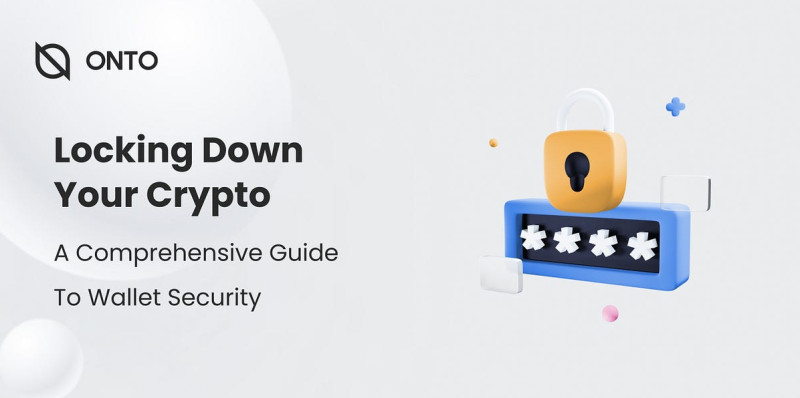
Now a newer worry: quantum computers. Experts say they could break math that protects wallets. Tech uses elliptic curve cryptography. Strong quantum machine could guess your private key from public key. That means it could sign transactions and drain you.
Bad actors already grab encrypted traffic to decrypt later. They call it harvest now, decrypt later. Your sent data is target even before quantum machine exists. This is why wallet makers think long term. Elliptic curve math is fine against normal PCs, but not against quantum ones running Shor's algorithm.
No machine today can break Bitcoin, but that does not mean we should wait until they can.
Wallets are front line. If your key leaks, they don't need to attack whole blockchain. So securing wallet interface is job one. When you make transaction, you expose public key. Quantum-equipped foe could intercept next move. Scary, but we can plan.
Post-Quantum Crypto Standards
Good news: standards exist. NIST finalized algorithms to fight quantum attacks. These are math methods that run on normal computers but resist quantum ones. They include key encapsulation and digital signatures. Bitcoin and others will need to shift to these over time. Work started years back and keeps moving.
One proposal, BIP-360, hides public keys behind Merkle root to shrink attack surface. It's slow, careful path. Networks like Bitcoin move slow on purpose. But wallets can add post-quantum protection sooner on their own. Upgrading wallet is faster than waiting for whole network hard fork.
Post-quantum defense ideas
- Adopt NIST standardized signature schemes
- Use Merkle root hiding of public keys in transactions
- Combine post-quantum crypto with quantum random number generators
- Deploy multi-signature wallets with hybrid keys
Quantum random number generators (QRNG) give truly random seeds. Normal computers use fake random that can be guessed. QRNG uses physics like photon spin to make seeds no algorithm can predict. That closes hidden weak spot. Multi-sig needs many keys, so even if one breaks, rest hold.
Hardware Wallets And Quantum Readiness
I look at hardware wallets as the best safe crypto wallet for most folks. Device like Trezor Safe 7 is built with post-quantum protection from factory. It uses NIST standardized schemes to verify its boot process. That stops fake firmware.
What makes a hardware wallet quantum-ready
- Post-quantum signatures baked in at factory
- Device certificate installed during production
- Secure boot verified by SLH-DSA-128 or similar
- Public key for bootloader set and cannot be changed
Only hardware that leaves factory with these keys can be truly quantum-ready. You can't just update old devices. So if you want a best digital currency wallet for long run, check for that. No wallet makes you fully quantum-proof today, but some are built for coming era.
The Trezor Safe 7 is built from the ground up with post-quantum protection.
I'm not paid to say that. It's just example the source gives, and it fits the point. Other brands may follow. Main idea: buy gear that plans for tomorrow.
Two-Factor Auth And Middle Attacks
You might think two-factor auth (2FA) makes you safe. It helps, but not always. In man-in-the-middle attack, you go to fake site. You enter user, password, and SMS code. Attacker forwards all to real site. 2FA did nothing.
Better is using separate paths, like email confirmation through another channel. And never store your private key unencrypted in memory. Fetch it only when you send transaction. Cold storage means wallet stays offline except when you need it.
Even if login is hacked, extra confirmation for transactions saves you. Scammer may get into account view but can't move funds without another step. That's worth setting up.
Best Practices To Keep Your Wallet Safe
Here are simple steps I follow. They cut risk a lot. Use multi-factor auth where you can. Keep software updated. Encrypt your wallet with strong passphrase. Use cold or hardware wallet for big holdings.
My safety steps
- Enable MFA on wallet accounts
- Update wallet software regular
- Encrypt wallet and backup offline
- Use cold storage for large amounts
- Keep seed phrase in safe place
- Double-check recipient address every time
- Use VPN on public wifi
- Run up-to-date antivirus
Also, keep your private key offline. Only pull it when you need to sign. Use dedicated device if you can. And watch out for social media scams. FOMO is not a strategy. Be wary of links promising free coins.
Users need to recognize that their wallet or exchange, not the blockchain, poses the most risk to their cryptocurrency.

Another habit: change passwords now and then. Use mix of upper, lower, numbers, symbols. Don't reuse passwords from other sites. If one site leaks, your wallet stays safe. Simple stuff, but it works.
Best Place To Store Your Crypto
So where is the best place to store your crypto ? For small amounts, hot wallet is fine. For savings, cold or hardware wins. Paper with seed phrase in safe is low tech but solid. Just don't lose paper.
If you hold a lot, split funds across several wallets. That way one slip doesn't sink you. The best safe crypto wallet is the one you control and protect well. Coinbase Wallet is famous for low fees and easy use, but it's hot wallet. Good for start, not for vault.
Storage options by need
- Daily spend: hot wallet with small balance
- Mid savings: software wallet with strong password
- Long term: hardware wallet offline
- Max safety: paper seed in safe or bank box
How To Get A Coinbase Wallet
For beginners, learning how to get a coinbase wallet is easy. Coinbase Wallet is known for low fees and simple use. You install app, set password, and write down seed phrase. It's hot wallet, so keep only small sums there.
It supports many coins and tokens. Good for starting out. But remember, it's not where you park life savings. Ideal wallet supports many currencies and is simple. Hot wallets should offer multi-sig and 2FA while charging little or no fees.
What Are The Top Crypto Wallets
People often ask what are the top crypto wallets . I won't rank them like a brand. But top kinds are hardware devices for safety, and trusted software for daily use. Look for ones with 2FA, multi-sig, and open code.
The best digital currency wallet fits your needs. If you trade often, hot wallet with low fees. If you hold, cold storage. Source notes Coinbase Wallet as famous easy one. That's fact, not a push.
Checking A Crypto Wallet Address
Before you send coins, check the crypto wallet address twice. One wrong character and funds are gone forever. Crypto sends are final. No undo button.
Also, be careful with any crypto wallet link in emails. Scammers use look-alike URLs. Type site yourself or use bookmarks. Tiny letter change is enough to sink you.
Always double-check the recipient’s wallet address before initiating a transaction.
I make it a rule to read first and last few chars aloud. Sounds silly, but it catches mistakes. Malware can also swap copied address, so glance at whole string.
Custody: Your Keys Or Theirs
I touched on custody. With non-custodial, you hold keys. With custodial, company does. Company could get hacked or freeze you out. For true ownership, non-custodial is the way. But you carry burden of safety.
When you search crypto wallet reviews, see who controls keys. That tells you a lot about risk. Provider that stores your private key on file is single point of failure. Hackers love that.
Custody models
- Non-custodial: you hold keys, full control
- Custodial: third party holds keys, easy but risky
- Hybrid: some features delegated, some self-held
- Paper only: key written, no device needed
My Simple Habits For Wallet Safety
To wrap my thoughts, I'll share habits. I use hardware wallet for most coins. I write seed phrases on paper kept in safe. I never click strange crypto wallet link texts. I update apps. And I ask myself is crypto wallet safe often, then act on answer.
You can do same. Start small. Move to cold storage as your pile grows. Question is crypto wallet safe is not yes or no. It's about what you do. Stay calm, stay alert, and your keys stay yours.
Btw, don't skip part about checking addresses. That one is important, pay attention. Two second look saves lifetime of regret.
Comments on “Is Crypto Wallet Safe? How to Protect Your Wallet From Modern Threats”
No comments yet. Be the first to share your thoughts.