How I Choose the Best Software Wallet Crypto for Secure Self-Custody
What Self-Custody Really Means
In crypto, self-custody means you own your coins for real. When you hold your private keys, no exchange hack or platform failure can touch your funds. I like this idea because it puts me in charge. The fall of some big centralized sites pushed many folks to non-custodial wallets. A non-custodial wallet is the one where only you control the private keys.
If an exchange or service holds your keys, that is custodial. With non-custodial, you and only you can move or manage your digital assets. This is the core of why I care about the best software wallet crypto for daily use. You don’t need a tech degree to get this part.
Losing your seed phrase or private key means no customer support can recover your funds. That tradeoff is real. But the freedom is worth it for many. I keep small amounts in hot tools and bigger sums offline.
Benefits I See in Non-Custodial Wallets
- True ownership: your keys, your crypto, no third party can freeze it
- Censorship resistance: no one blocks your transactions
- No counterparty risk: platform failure does not affect your holdings
- Privacy: you interact direct with blockchain without middleman data
- Direct control: you sign and send without asking permission
Industry saying: if you don't have your keys, you don't have your bitcoin.
What Is a Wallet Cryptocurrency
The what a wallet cryptocurrency actually is question comes up a lot. Simply, a crypto wallet is a piece of software that stores info, like a regular wallet holds cash and cards. It saves both public and private keys and works with several blockchains to manage your assets.
It does not hold real world money. It carries the cryptographic keys. You need the public key to receive crypto, and the private key to verify and send. The wallet's main job is to hold and manage your coins, keeping seed phrase and keys safe.
If you lose access and cannot recover, your crypto stays on the blockchain but is unusable without keys. So a wallet is like a physical purse but for Bitcoin and others down to a Satoshi, which is one hundred millionth of a Bitcoin. Many wallets run on smartphones, so you can keep one in your pocket.
Private keys confirm specific transactions on the chain. They are too long to memorize, so the wallet locks them behind a seed phrase. That seed is a master key. The wallet does not contain funds, just keys to access them on the blockchain.
Hot Wallets Versus Cold Wallets
Wallets split into hot, cold, or warm. Hot wallets connect to the internet. They include online, smartphone, and desktop types. Cold wallets have no internet, like paper or hardware. Warm wallets keep keys online but need human sign-off for sends.
The decentralized nature of blockchain gives accountability and privacy, but it does not protect you if a seed leaks via hacking or fraud. Absence of central authority makes recuperating stolen funds hard. Transactions are irreversible, unlike some bank transfers.
Common Wallet Types I Consider
- Hot wallet: connected, convenient, but open to device attacks
- Cold wallet: offline, secure, but can be lost or damaged
- Warm wallet: keys online with extra human confirmation step
- Custodial: a service holds keys for you, not self-custody
- Non-custodial: you hold keys, true self-custody
Most hacks succeed on hot wallets; do not keep large amounts in hot wallets.
Why I Look at the Best Software Wallet Crypto
When I say best software wallet crypto, I mean a non-custodial app or program that lets me control keys on my device. Software wallets are hot by nature, so they trade some safety for ease. I use them for small daily spends and DeFi play.
The source material shows software wallets can be installed on computer, used online, or run as mobile apps. They are usually free and simple to use. But loss of the device can mean loss of funds unless you back up the seed.
I think you need no tech degree to protect coins. The right best software wallet crypto fits both everyday use and advanced trading if you pick with care. A software wallet saves both public and private keys and can be used with several blockchains.
Examples from the data include Electrum, Exodus, and Jaxx for desktop. Mobile apps like Trust Wallet give quick payment. Online wallets rely on host security. All are hot and best for small amounts like a cash wallet.
Top Picks for Software Wallets
From my read of the data, several non-custodial software wallets stand out. Trust Wallet is called best mobile non-custodial with 100+ chains. MetaMask is best for Ethereum ecosystem. Phantom shines for Solana. Rabby scores high for multi-chain DeFi. Exodus gives a clean desktop feel. Zengo is seedless via MPC.
Trust Wallet supports 100+ blockchains natively, has a built-in DEX and staking, and an intuitive interface. Its cons are hot wallet limits and a large attack surface from dApp browser. It is owned by Binance, which worries some about centralization.
MetaMask is industry-standard for Ethereum dApps, easy custom network addition, and hardware wallet integration. It is limited to EVM chains and is a phishing target. Phantom has native Solana optimization and good NFT display but started Solana-only.
Wallets I Noted With Details
- Trust Wallet: mobile, 100+ blockchains, built-in DEX, rating 3 of 5 stars
- MetaMask: browser plus mobile, EVM chains, hardware link, rating 3 of 5
- Phantom: Solana focus, NFT display, cross-chain swaps, rating 3 of 5
- Rabby: browser, 200+ EVM chains, pre-transaction scan, rating 4 of 5
- Exodus: desktop plus mobile, 300+ assets, pretty interface, rating 3 of 5
- Zengo: MPC mobile, no seed phrase, 3FA, rating 4 of 5
A non-custodial wallet is a cryptocurrency wallet where only you control the private keys.
Trust Wallet and MetaMask Compared
MetaMask launched in 2016 by ConsenSys as a browser tool for Ethereum. It now has mobile apps and connects to EVM chains like Arbitrum and Binance Smart Chain. It gives a 12-word seed phrase and open source core.
Trust Wallet was founded in 2017 by Viktor Radchenko as mobile wallet. A year later Binance bought it, but it stays self-custodial. It claims over 200 million users and supports 100+ chains including Bitcoin and Solana.
Both are decent. Trust Wallet has wider native chain support. MetaMask is tighter with Ethereum and gas fee controls. Either can be the best software wallet crypto depending on your needs. MetaMask has ISO certification and bug bounty program.
Trust Wallet has open source code, phishing detection, and 24/7 support. Even with Binance ownership, anyone downloading gets private keys and no Binance account is needed. That keeps it self-custodial.
Apps Like Trust Wallet and Other Options
You might also check apps similar to trust wallet if you want more choices. There are many mobile and desktop tools. Copay from Bitpay is open source and supports shared accounts needing two signs. Blockchain Wallet has two-factor and multisig. Bitcoin Core is a full node, very secure but slow. Breadwallet (BRD) is beginner easy on iPhone and Android.
Green Address is available on iOS, Android, and Chrome, with HD wallet and 2FA. These show the range of software wallets outside the big names. I like seeing open source ones because code can be checked.
More Software Wallet Examples
- Copay: user-friendly, universal, open source, shared account two signatories
- Blockchain Wallet: trusted, 2FA, multisig, supports Bitcoin Cash and Ether
- Bitcoin Core: official desktop full node, very secure but fewer features
- Green Address: HD wallet, 2FA, can double as hardware
- Breadwallet (BRD): beginner easy, started Bitcoin-only, now on Android
Seedless and MPC Wallets
Traditional self-custody makes you write down a seed phrase, which can be stolen, or memorize it and forget. Multi-Party Computation (MPC) splits keys into encrypted shares that never exist whole. This removes single point of failure.
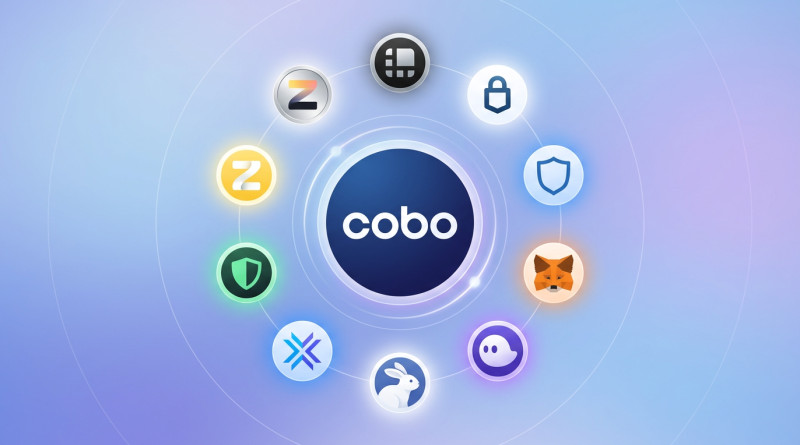
Zengo uses MPC to split key across device and servers, with biometric recovery. Cobo offers institutional MPC with role-based access. Safe is a smart contract wallet using multi-sig, securing big asset sums. Smart wallets leverage account abstraction, social recovery, and time-locked transactions.
Cypherock X1 hardware replaces backup need by separating keys among five pieces, two needed. That is a different path but shows the push to kill seed phrase risk. MPC wallets are rated high for safety in the source.
With MPC-based self-custody: no single point of failure, no seed phrase exposure, recoverable through verified processes.
What Are the Top Crypto Wallets for Chains
When I consider what the top crypto wallets are by chain support, Trust Wallet leads with 100+ native blockchains. Ledger hardware supports 5,500+ coins via apps. Cobo covers 80+ chains. MetaMask sticks to EVM only. Phantom covers a few plus Solana.
The matrix from source helps. Ledger Nano X supports EVM, Bitcoin, Solana, Cosmos, and 50+ others. Trezor Model T lacks Solana and Cosmos. Trust Wallet hits all main ones. This matters if you hold varied assets.
Chain Support Snapshot
- Ledger Nano X: EVM yes, Bitcoin yes, Solana yes, 50+ other
- Trezor Model T: EVM yes, Bitcoin yes, Solana no, 20+ other
- Trust Wallet: EVM yes, Bitcoin yes, Solana yes, 100+ other
- MetaMask: EVM only, Bitcoin no, Solana no
- Phantom: EVM yes, Bitcoin yes, Solana yes, few others
- Cobo: EVM yes, Bitcoin yes, Solana yes, 80+ chains
Best Safe Crypto Wallet Choices
For a safe crypto wallet pick stance, hardware leads. Ledger and Trezor keep keys offline in secure chips. For active use with strong safety, MPC like Zengo cuts seed phrase risk while keeping self-custody.
Software wallets are rated around 3 of 5 stars for security in the source. They are hot, so expose keys to device-level attacks. Only keep small amounts there. The best software wallet crypto for me balances ease and risk. A warm wallet adds human sign-off via 2FA TOTP.
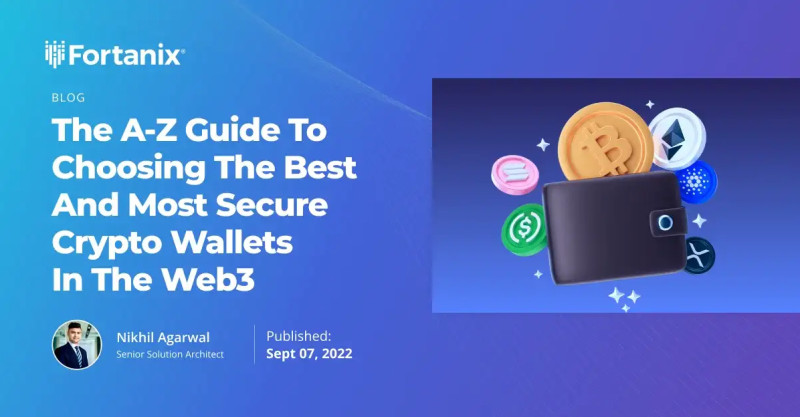
Fortanix warm wallet solution uses confidential computing for second factor. That helps businesses but the idea works for personal use too. The key is not letting a backend alone move funds.
How to Get a Coinbase Wallet and Custodial Note
If you wonder how to set up a coinbase wallet , note that exchange wallets are custodial. They hold keys for you. That can be simple but breaks the "your keys your crypto" rule. Non-custodial gives you own seed phrase.
The source mentions major US exchanges use cold storage for custodial funds. But if they fail, you may lose access. I prefer to learn self-custody even if I start small. A custodial exchange wallet holds keys for you, while non-custodial gives you own seed phrase.
You can still use an exchange to buy, then move coins to your own wallet. That is a common path. Just do not leave large sums on the exchange long term.
Best Place to Store Your Crypto Long Term
The best place to keep your crypto for big holdings is a cold wallet. Hardware or paper keeps keys offline. A common plan is hardware for long-term, software for daily hot use.
You can import same seed phrase across compatible wallets or keep separate. Backing up seed and keys ensures access if theft or destruction. Keep bulk in cold, small in hot. Many users own both hardware and software wallets.
Cold wallets generally more safe, hot and custodial more convenient, self-custodial guarantee autonomy.
Using different wallets lets you explore multi-sig, passkeys, and MFA. The bulk stays cold, the spend stays hot. That simple split keeps me calm.
Best Digital Currency Wallet for Daily Use
A good digital currency wallet for daily spend is often a mobile software one. Trust Wallet or MetaMask on phone give quick payments. They connect to dApps and let you stake.
But watch out for phishing. Use biometric login and hardware link if possible. Start with small amounts and practice. That way you learn without big loss. Exodus is another desktop pick with built-in exchange and 24/7 support.
Rabby is great for DeFi power users with pre-transaction scans. It is browser only, no mobile app. Pick based on where you play, not just name.
Search Crypto Wallet Tips I Use
When you search for a crypto wallet online, you get many names. I filter by non-custodial first, then chain support, then ease. Read audits and incident history. Do not trust a pretty ad alone.
The source gives a clear evaluation frame. Security architecture, chain support, user experience, DeFi compatibility, backup, and track record. I keep that list on a note when I check a new tool.
My Quick Check List
- Security architecture: key generation, storage, backup
- Chain support: number and variety of blockchains
- User experience: interface, learning curve, docs
- DeFi compatibility: dApp browser, WalletConnect
- Backup and recovery: seed handling, social recovery
- Track record: audits, incidents, dev activity
What Is the Most Popular Crypto Wallet
what the most popular crypto wallet is may be MetaMask due to Ethereum fame. Trust Wallet claims over 200 million users. Both are widely used and transparent.
Popularity does not mean best for you. A popular wallet may be a phishing target. Check if it fits your chains and skill. The best software wallet crypto is the one you can use safe. Third-party publications rank MetaMask high for security standards.
Phantom is called best mobile wallet for versatility by some. Rabby has smaller user base than MetaMask. Popularity is just a starting point, not the whole answer.
Fantom Wallet Review and Other Names
A fantom wallet overview is not deep in source, but they list many wallets. I note Phantom (for Solana) not Fantom, but similar name. Phantom supports Solana, Ethereum, Polygon, Bitcoin. It has clean design and built-in swaps.
The source also names Safe formerly Gnosis Safe as a smart contract wallet securing over $100 billion. Cobo is MPC with enterprise features. Ledger and Trezor are top hardware. All show the range outside pure software.
Other Leading Wallets From Source
- Ledger Nano X: hardware, 5,500+ coins, security rating 5 of 5
- Trezor Model T: hardware, 1,800+ coins, open source, 5 of 5
- Safe formerly Gnosis Safe: smart contract, multi-sig, secures big sums
- Cobo: MPC, 80+ chains, institutional, 5 of 5
- Exodus: desktop plus mobile, 300+ assets, rating 3 of 5
My Simple Decision Framework
I use a plain frame to choose. Long-term big value? Hardware. Daily DeFi? Software. Hate seed phrase anxiety? MPC. Team funds? Institutional MPC. Max chains? Trust Wallet or Ledger. This matches the source decision guide.
If trading often, hot wallet gives rapid access. If large sum and safety above convenience, cold wallet is ideal. Warm wallet is more efficient but needs human interaction. The best software wallet crypto fits the daily slot.
Pick Based on Need
- Holding significant value long-term: choose hardware like Ledger, Trezor
- Daily DeFi and dApp usage: choose software like MetaMask, Phantom, Trust
- Want security without seed phrase: choose MPC like Zengo
- Managing team or institutional funds: choose Cobo or Safe
- Need maximum chain coverage: choose Trust Wallet or Ledger
Keep Your Keys Safe
No central authority can recover stolen funds if your seed leaks. Blockchain is irreversible. So write keys offline, use metal backup maybe. Never type seed on weird sites. The decentralized nature does not protect a leaked phrase.
Blockchain immutability gives transparency but makes transactions irreversible.
That is why I keep learning about the best software wallet crypto and cold storage. You can too. Stay calm, start small, own your keys. If you lose a traditional wallet seed, funds are gone; MPC gives other recovery paths.
Comments on “How I Choose the Best Software Wallet Crypto for Secure Self-Custody”
No comments yet. Be the first to share your thoughts.