Pre-Sale Cryptocurrency: A Clear Guide to ICOs, Risks, and Scams

What Is a Pre-Sale Cryptocurrency
An initial coin offering (ICO), also called a token generation event or token sale, is a way for a blockchain project to raise money. It sells future use of a platform instead of giving up company equity. A pre-sale happens before the public crowdsale and reserves tokens for selected buyers. I've seen projects offer lower prices, bonus tokens, airdrops, staking rewards, early platform access, or governance rights to pre-sale participants. These perks don't guarantee high returns, a profitable listing, or equal access for everyone.
Why Projects Run Pre-Sales
Projects use pre-sales to build an initial community, distribute the first tokens, raise development capital, or attract users who will contribute to the ecosystem. But a pre-sale can favor certain people over the general public. Projects need to state who was allowed to buy, at what prices, how much went to each group, and what percentage of total supply was reserved. This lets buyers calculate the token's effective market cap and understand total and circulating supply.
Real Examples From the Field
The source material walks through three projects. Each one shows different claims, structures, and red flags. I'll break them down without the marketing fluff.
Nexchain presale claims
- Layer 1 blockchain using AI for scalability, security, interoperability, and transaction processing
- Two different entry prices on the same page: banner says $0.05, article body says $0.15 per token
- Projected listing price of $1.00 with 670% ROI claimed - projections, not guarantees
- Claims 400,000 transactions per second using DAG, AI processing, dynamic sharding
- Lists partnerships with Google Cloud, OpenAI, Visa, Crypto.com, Outlier Ventures, Shima Capital - no contracts or dates provided
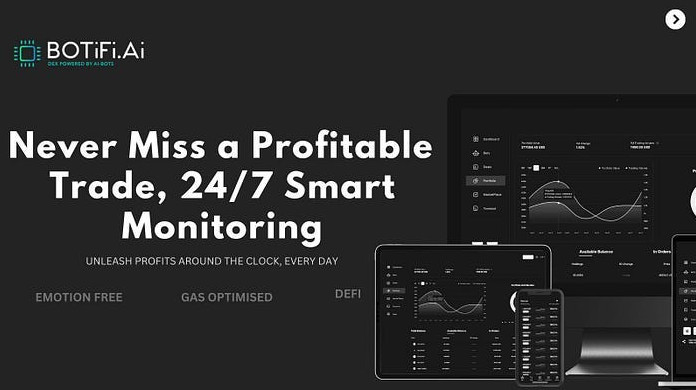
BOTiFi Smart DEX presale
- AI-assisted trading platform with smart bots for instant execution
- Uses smart contracts for trust and transparency - no audit results shown
- Pre-sale incentives include bonus tokens, early feature access, community entry
- No token price, sale date, hard cap, minimum purchase, token supply, or named audit disclosed
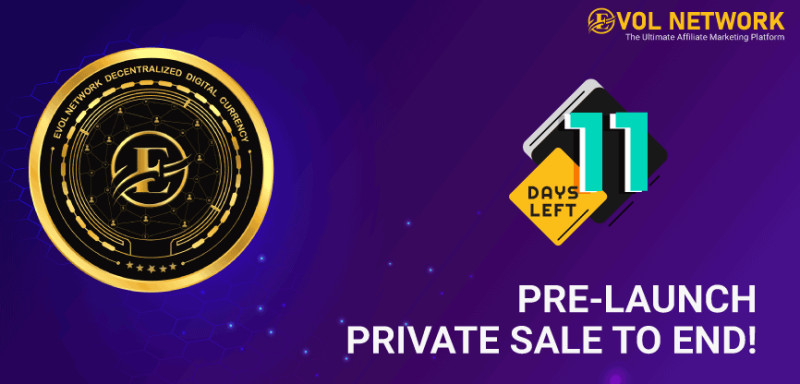
EVOL pre-launch private sale
- Countdown timer: "only 11 days remained" as of August 28, 2021
- Highly discounted rate advertised - no token price, discount percentage, or total supply stated
- EVOL coins usable for affiliate marketing services
- "Buy EVOL Coin Get Free EVOL" offer displayed
- Not enough info to evaluate valuation, allocation, or service demand

The Amazon Token Scam
There is no Amazon token presale and no announced Amazon cryptocurrency. A fake Amazon presale circulated online, revived from a scam that appeared months earlier. The fraudulent campaign used ads that looked like they came from CNBC, The Guardian, Yahoo - but were hosted on fake domains. Bots manufactured fake comments, likes, and shares. On some platforms, comments were blocked so real users couldn't warn others. This scam reportedly generated over $100,000 for criminals. Before you buy into any new project, check a crypto scam list and look for second opinions on Reddit, independent YouTube channels, or established traders on Twitter. Scam pages often have poor English, fake websites, and impersonations of real influencers. Don't open unsolicited links or engage in private chats with strangers. A group admin should never ask for wallet verification or your seed phrase.
Third-party audit platforms such as Solid Proof and CoinSniper were presented as resources that had been used to review some legitimate presales, rather than as guarantees against fraud.
Do You Even Need a Token
Before launching an ICO, ask two questions: what is the token's purpose, and is an ICO the right fundraising method? The token must serve a real function. Is it absolutely necessary? Why does the project need blockchain? Can it support a viable economic model? Putting an app on a blockchain without a strong reason adds cost - an Ethereum app can have much higher computational costs than a centralized app on AWS. A decentralized app is fundamentally different from a client-server app. The team needs to understand blockchain components before proceeding.
Questions to define token utility
- What purpose does the token serve?
- What function or utility does it perform?
- Is the token absolutely necessary?
- Why does the project need to be on a blockchain?
- Can the project support a viable economic model?
ICO vs Traditional Fundraising
An ICO is not the same as raising venture capital or selling equity. You sell future platform use while gaining a large public community on day one. That community must be managed after the sale. This creates operational pressures: project actions reflect in token price, the team gets price questions daily, the project may need to operate internationally from the start, internal discussions can become public, and you must balance short-term token appreciation against long-term product value. If the product isn't open source, making it open later may cause backlash. Crypto projects are generally more public and transparent than conventional startups.
Operational pressures from an ICO
- Project actions and decisions reflected in token price
- Team receives price questions many times per day
- May need to operate internationally from day one
- Internal discussions may become public
- Must balance short-term token appreciation against long-term product value
- Open-source expectation can cause backlash if not met

Corporate Structures and Token Allocation
Common crypto project structures split tokens among founders (often 10-20% with vesting), a company (1-15%), a foundation (1-10%, often in Zug, Switzerland), and sometimes a venture fund. Problems arise when these pools are separate: early team members can get rich quick and leave, value escapes from company and foundation, responsibility gets diluted, and it's hard to retain developers. Most development outside Bitcoin is done by 10-20 people employed by the original company. This structure makes scaling to hundreds of contributors difficult.
Common crypto project structures
- Founders, scientists, early developers: ~10-20% with vesting
- Company (LLC or C corp): 1-15% after ICO
- Foundation (often in Zug): 1-10% for long-term protocol development
- Venture fund: fiat-denominated fund investing in protocol companies
Lessons From Tech Startups
Standard tech companies pool founder equity into corporate equity rather than paying founders directly. Founders and employees have limited ability to sell shares before a public liquidity event. Venture capital comes in stages - seed, Series A, larger rounds - tied to milestones. Failure to meet milestones cuts off future financing. This system rewards continued progress. Many crypto projects get $200 million upfront with value depending on token appreciation rather than cash flow. A hybrid model consolidates holdings into one entity, uses equity for most compensation, raises equity rather than only selling tokens, and uses the ICO for capital and liquid community incentives. The difficulty is balancing short-term liquidity against building a durable organization.
The standard technology-company model offers several lessons for crypto projects. Founder equity is generally pooled into general corporate equity rather than paid directly to founders as a separate share of the company's value.
Planning Your Pre-Sale and Crowdsale
First, decide how much money you need and why. Second, what the distribution method should accomplish - maximize funds, build broad support, reach specific users, incentivize developers, or finance a multi-year plan. Token allocation must identify percentages for team, investors, partners, ecosystem, company or foundation. Disclose allocation, use of proceeds, and expected fund duration. Prepare an annual budget for five years. Choose a cap connected to actual funding targets. A pre-sale can provide social proof but favors selected groups. If you use one, build a reservation contract, publish who participated and at what price, state pre-sale allocation percentage, publish crowdsale percentage, explain early-buyer bonuses, and keep terms consistent. Decide on accepted currencies, KYC requirements, and allocation methods. First-come-first-served can let a few buyers take most tokens. Set duration, price tiers, release timing, geofencing, and who can participate. Hidden caps, concealed allocation, and changing terms mid-sale are warning signs.
Pre-sale design considerations
- Build a reservation contract for specified allocations
- Publish who participated and at what price
- State percentage of total allocation sold in pre-sale
- Publish percentage offered in later crowdsale
- Explain whether early buyers receive unusually large bonuses
- Maintain consistency between pre-sale and crowdsale terms
Whitepaper Legal and Team
The whitepaper combines application, technical system, token role, and team info. It should explain how the app works, system operation, token use, technical architecture, token details, and relevant team info - enough for a buyer to make an informed decision. A technical whitepaper can take 200+ hours. Get detailed feedback from respected crypto industry members, relevant technical fields, and your target investor demographic before the sale. You need a reputable law firm with blockchain experience. The central legal question: is the token a security? Other questions include SAFT usage, geofencing, foundation stewardship, and eligible jurisdictions. The source contains no legal advice - consult a lawyer with ICO experience. Each team member needs a clear, updated LinkedIn profile. Advisors too. More listed advisors than team members is a warning sign.
A technical whitepaper can require more than 200 hours of team work over a short period. Editors can help revise it, but the core technical and project content must come from the team.
Budget Roadmap and Allocation
The budget shows where funds go and how long they last. It can appear in the whitepaper or on the website. Some teams use separate technical and business whitepapers. A roadmap can also appear in either document or on the site. Allocation and sale info should ideally appear in both places so buyers can compare pre-sale and crowdsale terms. At minimum, disclosure should let a buyer calculate effective market cap, total supply, circulating supply, team and foundation allocations, pre-sale and crowdsale allocations, investor/partner/ecosystem reserves, and sale restrictions and bonus terms. Changes to budget or allocation should be recorded and disclosed.
What buyers should be able to calculate
- Effective market capitalization
- Total token supply
- Circulating supply
- Team and foundation allocations
- Pre-sale allocations
- Crowdsale allocations
- Investor, partner, and ecosystem reserves
- Sale restrictions and bonus terms
Website Technical Docs and Community
A well-designed ICO landing page is separate from the main product site. The source says well-designed pages generally perform better and cites Filecoin, District0x, and 0x as examples. The site needs a dedicated crowdsale landing page, whitepaper, team and advisor profiles, previous investors, budget, roadmap, token allocation, pre-sale and crowdsale terms, contribution instructions, official social links, and translations. Release contribution details only when the sale is ready - this section is vulnerable to hacking. Maintain a clean, updated GitHub repo with anything already built so people can review it. You need a main communication channel with active team presence. Slack was common but has risks: not designed for large groups, Slackbot can be hacked, DMs can send fake announcements, scammers can impersonate admins. Consider announcements, developers, general, random, support, and scam-alert channels. Hire a full-time community manager. You may also need a Bitcointalk announcement, branded subreddit, newsletter, blog, Twitter, GitHub, and internal chat. PR can include crypto publications, general news, interviews, Q&As, speaking engagements, conferences, meetups, dinners, online sessions, and podcasts. Paid advertising is a project-specific decision - teams that advertise may appear weaker. Translation needs go beyond the whitepaper - announcements, changes, questions, and support responses all need it. Chinese and English are common targets. Sustained web presence is expected well before, during, and after the ICO.
Smart Contracts Wallets and Sale Security
Identify the blockchain and whether the token will be ERC-20. Create the sale contract well before launch. You may need separate contracts for pre-sale, ICO, and reservations. Audit the sale contract well in advance and publish results - the entire fundraiser depends on it being correct. Even a small unresolved issue exposes the project to hackers. Use multiple independent auditors and publish each report. Establish a bug bounty before the sale. Use hardware wallets or multisig hardware arrangements for receiving proceeds. More than one wallet setup may be needed for multiple currencies. Buy domains that look like your official one, relevant TLD variations, similar names, and social accounts for similar names. Scammers copy landing pages, replace contribution addresses, spoof social accounts, or send messages claiming the crowdsale was extended. Secure the site with Cloudflare, 2FA for website changes and admin accounts, restricted access for changing pages/code/social content, extensive monitoring, a single authoritative source for contribution details, and simultaneous payment address publication across all verified channels. Turn off the Slack API - fake Slackbot messages are a recurring scam vector. Users should bookmark the official site and avoid clicking links from messages. Buyers should not send funds from exchange-controlled accounts like Coinbase. Contributions should originate from a wallet the buyer controls, such as MetaMask. The official payment address should not be published until sale day and released simultaneously through every official channel.
Security measures for the sale
- Audit sale contract well in advance and publish results
- Use multiple independent auditors
- Establish bug bounty before sale
- Use hardware wallets or multisig hardware for proceeds
- Buy lookalike domains and social accounts
- Cloudflare, 2FA, restricted admin access, extensive monitoring
- Single authoritative source for contribution details
- Simultaneous payment address publication across all channels
- Turn off Slack API to prevent fake bot messages
- Buyers use self-controlled wallets, not exchange accounts
Running the Sale Before During After
For a registration-based ICO, release all participation details in advance: registration tutorial, blog post, video, explainer for wallet/currency/timing/eligibility. A semi-professional 2-3 minute video with professional voice talent works well. Keep it private until sale day if earlier publishing exposes unfinished details. Before the ICO, write articles covering every stage, watch for phishing, increase community management staffing, conduct a livestream Q&A, keep channels synchronized, and confirm tutorials remain accurate. Expect a large increase in questions. During the sale and surrounding days, the team may need 24/7 availability. Monitor every attack vector, close insecure channels, repeat warnings not to send from exchanges, require self-controlled wallets, share verified tutorials, limit contribution info to one authoritative location, publish payment address simultaneously across all official channels, and livestream the ICO completion. These repeated warnings and single information source reduce the risk of scammers replacing the payment address or circulating conflicting instructions.
The repeated warnings and single source of information are intended to reduce the risk that scammers can replace the payment address or circulate conflicting instructions.
Post-Sale Operations
The two most common post-sale questions: where are my tokens, and what exchange will list the token and when? Create tutorial videos for every supported wallet combination and publish through official channels. Have a process for buyers who mistakenly send from exchanges - they may not recover funds. Exchange relationships can start before the ICO. Some exchanges require applications; peer-to-peer exchanges may allow token sales without project permission. Publish a post-sale update soon after fundraising - silence makes it look like the team took the money and disappeared. An ICO creates a community of thousands expecting continuing development and communication. Answer questions across all channels and maintain transparency. Fiscal policy covers buying tokens, paying for services with tokens, freezing tokens, discounts, burns, treasury reserves, compensation, taxation, and institutional lockups. Large treasury holdings create concern about market entry. Paying employees in unlocked tokens leads to immediate selling. Locked tokens need cash supplements. Institutional pre-sale buyers may sell substantial holdings depending on performance - decide on lockup periods. Communicate fiscal changes early. Monetary policy covers total supply, divisibility, inflation, deflation, and rule changes - keep it clear and transparent. Before completing the ICO, decide how much proceeds convert to fiat, how much stays in crypto, how expenses are paid, how taxes are handled, and how funds move to banks. Start bank conversations early to reduce transfer problems.
Fiscal policy areas
- Buying tokens
- Paying for services with tokens
- Freezing tokens
- Token discounts
- Token burns
- Treasury reserves
- Developer and employee compensation
- Investor, advisor, and team taxation
- Institutional lockups
Final Thoughts on Pre-Sales
Pre-sale cryptocurrency can offer early access and potential advantages, but it doesn't guarantee returns or equal access. If you're buying, check what the token is for and why the sale offers incentives. If you're launching, plan the structure and who can join. Be careful with countdowns, big discounts, and unfamiliar offers - some advertised sales are scams. The FTX crypto scandal showed how fast things collapse when transparency fails. Before putting money in, research the project, check for audits, verify team identities, and understand the token economics. If you're wondering where do i purchase cryptocurrency or how do you purchase cryptocurrency , start with established exchanges and self-controlled wallets. For those asking how to start my own cryptocurrency , the bar is higher than just minting a token - you need real utility, legal clarity, and a plan for long-term development. The White House crypto report and regulatory shifts mean the landscape keeps changing. Stay skeptical, stay informed, and never risk more than you can afford to lose.

Comments on “Pre-Sale Cryptocurrency: A Clear Guide to ICOs, Risks, and Scams”
No comments yet. Be the first to share your thoughts.