How Credit Cards Work with Crypto: Rewards, Fees, and Spending

What Counts as a Crypto Credit Card
The term "crypto credit card" covers several different products, and the lines between them get blurry fast. There are conventional credit cards that pay rewards in crypto, collateral-backed cards that let you borrow against your crypto, and crypto debit cards that convert your crypto to fiat at the point of sale. Then there are cashback cards where you convert rewards into crypto, and plain credit cards used to buy crypto on an exchange.
These products work very differently even when they carry a Mastercard, Visa, or Amex logo. A conventional rewards card gives you a line of credit in dollars. The merchant gets fiat. The issuer pays rewards in crypto, or pays fiat cashback you can convert. A collateral-backed card uses your crypto as security for a loan, so you can borrow fiat or stablecoins without selling. A crypto debit card spends what's already in your wallet, converting at purchase time. Using a regular credit card to buy crypto is a separate transaction - the card supplies funds but doesn't necessarily earn crypto.
Crypto is gaining traction but still isn't a common medium for everyday exchange. Crypto cards bridge digital assets and conventional payment networks so you can stay engaged in the crypto economy while shopping, dining, traveling, or buying everyday goods.
A 2022 estimate put the number of American adults with a crypto rewards card at about 13 million, or 5%. BlockFi issued the first Bitcoin rewards credit card in 2021. Its later bankruptcy caused a lot of skepticism in the Web3 community, because a card issuer tied to crypto can fail even when the payment network stays up.
"At first glance, crypto cards might look like any other card, but behind the scenes is a whole different mechanism of work."
That quote comes from Nexo, dated October 2025. It captures the confusion well - the branding lumps together products with very different risk profiles.

How Rewards-Based Crypto Credit Cards Work
With a conventional crypto rewards credit card, you spend fiat through a line of credit. The merchant gets fiat, same as any normal card. You still need to meet the minimum monthly payment and other credit terms. During the rewards phase, the issuer converts a percentage of each purchase into a digital asset. Some cards issue crypto directly; others pay fiat cashback first and let you decide when to convert.
The cashback-to-crypto variant lets you pick your preferred asset. Direct-reward cards may offer a selection of reward tokens instead. Venmo's Visa card is a good example - it pays normal cashback and lets you allocate to Bitcoin, Ethereum, Litecoin, or Bitcoin Cash.
Common reward structures include flat rates on every purchase, category rates for dining, groceries, gas, transit, or EV charging, spending tiers that bump the rate at certain volumes, staking-based rewards that lock a provider token, subscription tiers tied to paid memberships, and asset-based rewards for holding a platform token. Staking programs can also unlock higher tiers, trading-fee reductions, savings rate boosts, streaming rebates, lounge access, or travel benefits - but they generally require more capital and a longer commitment than a flat-rate card.
Reported benefits include predictable percentage rates, higher category rates, automatic crypto deposits, choice of reward assets, cashback convertible to crypto, staking or subscription boosts, purchase protection or travel insurance through the payment network, and acceptance at merchants that support the underlying network. But because direct crypto rewards arrive before any later sale, their value can rise or fall independently of what you bought.
Nexo's Collateral-Backed Credit Model
Nexo's approach is different from a standard rewards card. An October 2025 explainer described it as working like a secured credit card, except you lock crypto instead of cash as collateral. The crypto stays in your account and isn't sold. It secures the credit line and may be temporarily restricted while the balance is outstanding.
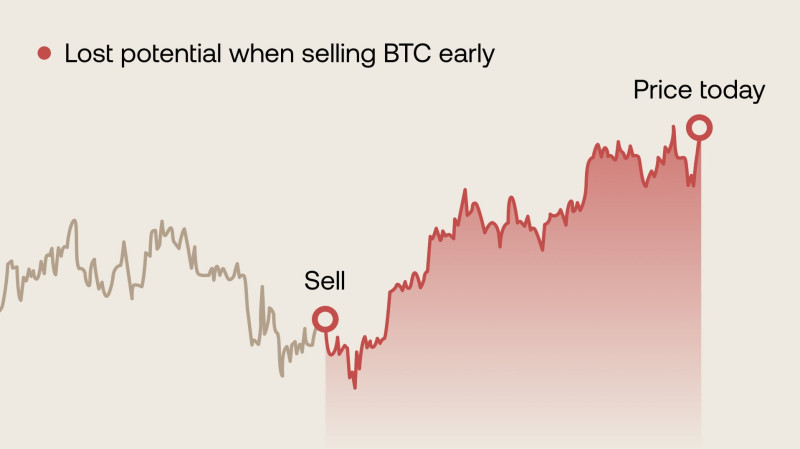
When you make a purchase, Nexo lends traditional currency or stablecoins. The merchant gets fiat, not Bitcoin or Ethereum. The collateral stays in place. After you repay the balance, the crypto is released and remains available. If someone had held Bitcoin since 2017, the explainer notes, its value might have multiplied many times. A collateral-backed card gives you spending power without selling the position and giving up future exposure.
To set up a credit line, you register with the provider, add crypto or deposit fiat through a bank account, buy Bitcoin, Ethereum, or stablecoins, and use them as collateral. The provider calculates the credit line from the collateral value and the loan-to-value ratio. You can pick a virtual card for online payments or a physical card for in-store, and add it to Apple Pay or Google Pay for contactless transactions.
Nexo says its card generally has no fixed due date or minimum payment. You choose when and how to repay, using fiat, crypto, or stablecoins. Interest is charged only on the amount borrowed, not the full credit line. Card controls in the app include spending limits, pausing and unpausing, and two-factor authentication. Repayments may use FiatX currencies like USDx, EURx, and GBPx.
Nexo says borrowing against crypto can avoid the taxable disposal that occurs when crypto is sold, but tax treatment varies by jurisdiction and the provider's materials are general information, not tax advice.
The loan-to-value ratio determines how much you can borrow relative to collateral value. At 50% LTV with $100,000 of Bitcoin, you can access up to $50,000. The loan stays below total collateral value so a price decline doesn't immediately exhaust the collateral. More volatile assets get lower LTVs; more stable assets may qualify for higher ones.
A price decline can quickly increase the LTV. If $100,000 of Bitcoin secures a $50,000 loan and Bitcoin falls 30%, the collateral becomes worth about $70,000. The debt stays at $50,000, so the LTV rises from 50% to roughly 71%. If the decline continues to about 83.3% LTV, the borrower may need to add collateral or repay. Nexo's margin-call area sits around 80% to 85% LTV. The exact liquidation threshold depends on the provider's terms. Borrowing conservatively leaves more room before additional collateral is needed.
Nexo describes two operating modes. Credit Mode uses crypto as collateral and provides a credit line. Debit Mode spends the customer's crypto balance directly. In Credit Mode, cashback ranges up to 2% in NEXO tokens or up to 0.5% in Bitcoin, depending on loyalty tier. Interest rates start as low as 1.9% per year for Platinum-tier clients spending in Credit Mode. In Debit Mode, unspent balances earn up to 14% APY paid daily.
The European comparison reported a range of Nexo terms. The card runs on Mastercard and is available in the EEA, UK, Switzerland, and Andorra. More than 86 cryptocurrencies can be used as collateral. Credit Mode cashback ranges from 0.5% to 2% in NEXO tokens or 0.1% to 0.5% in Bitcoin across Base, Silver, Gold, and Platinum tiers. Loyalty progression requires holding about 1% to 10% or more NEXO tokens relative to portfolio value, plus a $5,000 minimum balance - raised from $500 in January 2025. Monthly cashback caps are $50 for Base and Gold, $200 for Platinum. Debit Mode earns up to 14% APY on unspent balances. Annual and monthly fees are $0. Foreign-exchange transactions are free up to €20,000 per month, then 0.5%. Weekend foreign exchange may carry an extra 0.5% surcharge. ATM withdrawals include free monthly allowances from €200 to €2,000 depending on tier, with 2% fees after the allowance and up to 10 free withdrawals. A minimum ATM fee of €1.99 may apply. Crypto conversion spreads are about 0.75%.
A January 2025 update said physical-card ordering had been suspended with no announced restoration date, while virtual cards remained operational. The October explainer still described ordering a physical card. These reflect different dates, but physical-card availability is time-sensitive and jurisdiction-dependent.
On security, Nexo says a merchant receives only fiat at the point of sale. Your wallet, keys, and crypto aren't transferred to the merchant, so a card-payment breach doesn't directly drain the collateral. The crypto backing the line stays with the provider's custodian, which makes provider custody, internal controls, regulatory status, and solvency important. Nexo states it is SOC 2 Type 2 certified. Most providers don't perform a conventional credit check because borrowing is secured by crypto, so these products often don't affect a traditional credit score - though reporting practices vary by provider and region.
Crypto Debit Cards vs Traditional Debit Cards
A crypto debit card connects a crypto wallet or custody account to a payment processor. You spend the balance already held there. At the point of sale, the processor calculates the fiat amount, converts the required crypto to local currency, and delivers fiat to the merchant. A traditional debit card connects the processing network to a bank checking account. A crypto debit card follows a similar pattern, but its backing account holds digital assets instead of bank deposits.
A 2021 overview by the Taxbit Team described this model with a coffee shop example: a person visits a shop that accepts ordinary debit cards but not crypto. The customer chooses a Bitcoin debit card, the cashier swipes it, the processor calculates the crypto needed, converts it to dollars, and sends dollars to the merchant. The transaction takes seconds, and the customer never exchanges Bitcoin directly with the shop.
A crypto debit card spends existing assets; a crypto-backed credit card creates a debt balance secured by assets. A debit purchase commonly triggers a disposal and possible tax event because crypto is converted or spent. Borrowing against crypto generally leaves the crypto in place, though the provider may restrict it as collateral. Debit-card access usually doesn't require a traditional credit check; a conventional fiat credit card does. A collateral-backed card exposes the borrower to liquidation or margin-call risk.
A crypto debit card is usually prepaid or linked to a stored balance. It works differently from a conventional credit card, which extends a borrowing limit subject to payment obligation. Crypto debit-card users must maintain enough wallet balance to cover transactions; credit-card users may borrow up to a limit and repay later. Crypto debit cards convert crypto to fiat for each purchase; credit cards use a fiat line of credit. Users generally need an exchange, wallet, or custody account, not just a traditional checking account.
Four Factors to Consider with Crypto Debit Cards
Key factors when choosing a crypto debit card
- Geographic availability: A card that works at Visa or Mastercard merchants may still be unavailable in a jurisdiction that restricts cryptocurrency. The 2021 overview reported full or proposed bans in Turkey, China, and India. Current availability must be checked by country and, in the U.S., by state.
- Tax treatment: The IRS treats cryptocurrency as property, not currency. Spending crypto can dispose of the asset. A taxable gain or loss may arise if the fair market value at disposal differs from acquisition cost. A loss can sometimes offset capital gains through tax-loss harvesting, subject to applicable rules.
- Supported cryptocurrencies: Thousands exist, but only a smaller number have mainstream adoption. A card supporting only one token may not suit someone holding several assets. Multi-asset support is more useful when you want to choose which balance funds a purchase. A stablecoin like USDC can reduce exposure to crypto price volatility during conversion.
- Fees and exchange rates: Fees vary by provider and may include crypto conversion or liquidation fees, foreign-exchange fees, ATM withdrawal fees, monthly inactivity fees, issuance fees, and annual fees. The 2021 survey reported most providers didn't charge deposit fees, while all charged withdrawal fees. Some waived fees after a specified annual spending threshold.
The newer provider comparison shows fee structures aren't uniform. Examples include 0.5% foreign-exchange fees on Bybit, about 1% crypto-conversion fees on Wirex, 1.75% conversion fees for Plutus Starter, 2.49% crypto-liquidation fees on the Coinbase debit card, and 3% foreign-transaction fees on BitPay. The older claim that many crypto cards avoid foreign-exchange costs doesn't apply to every current product.
Reported advantages of crypto debit cards include spending crypto like fiat, multi-currency support, reduced or waived foreign-conversion fees on some products, crypto cashback on some cards, waived ATM fees from some issuers, online payment convenience, and no direct need for a traditional bank checking account. Disadvantages include tax events when crypto is spent, geographic restrictions, exposure to crypto price volatility, the need to maintain a wallet balance, exchange or conversion fees, provider-specific spending limits, and rewards that can change.
A crypto debit card can replace a normal debit card for someone willing to use crypto as the primary source of funds, though crypto-specific fees, tax effects, and account restrictions may make a conventional card more practical for some purchases.
U.S. Crypto Rewards and Credit Cards
The U.S. market has several notable options. Gemini launched its Mastercard crypto rewards credit card in 2022 in partnership with WebBank. Users receive rewards in their Gemini trading account, with more than 50 eligible cryptocurrencies including Bitcoin, Ethereum, Solana, and later XRP and Dogecoin. The card offers 4% rewards on gas, transit, and EV charging up to $300 per month, then 1%. It also pays 3% on dining, 2% on groceries, and 1% on everything else. There's no annual fee, no foreign-transaction fee, no transaction fee to receive rewards, and no staking required. It's available to U.S. residents in all 50 states, plus Puerto Rico and selected European countries. Credit approval depends on ordinary creditworthiness. It's accepted globally at Mastercard merchants. A later description added a metal card design, five free authorized users, and Mastercard World Elite benefits including Instacart credits, purchase protection, and travel insurance. A Solana Edition offered up to 4% SOL rewards with automatic staking at 6.77% APY.
The Coinbase One card is an Amex credit card issued by First Electronic Bank, available only to Coinbase One subscribers. It pays a small BTC reward on purchases. The reward rate depends on total assets on Coinbase: 2% below $10,000, 2.5% between $10,000 and $50,000, 3% between $50,000 and $200,000, and 4% above $200,000. There are no category restrictions - unlike Gemini, it doesn't pay a higher rate for groceries, dining, or gas. The card requires a paid Coinbase One membership, with fees listed at $49.99 annually or $4.99 monthly, though another source listed ranges from $49 to $2,999.99 annually, with Preferred at $29.99 per month and Premium at $299.99 per month. These ranges aren't identical and should be treated as time-sensitive. Coinbase One benefits include 4.5% APY on the first $10,000 in USDC, zero trading fees on up to $500 in monthly trades, $10 per month in Base network gas credits, and $1,000 in unauthorized-access protection. The metal card carries the Bitcoin Genesis Block inscription dated January 3, 2009. Amex benefits include Amex Experiences, purchase protection, travel insurance, and an extended warranty. No foreign-transaction fee. The card is available only in the U.S., rewards are limited to BTC, and it's aimed at Coinbase ecosystem users who want simple Bitcoin accumulation through spending.

Crypto.com is a Singapore-based exchange known for prepaid crypto Visa cards. Its existing debit-card program has tiered rewards based on the amount of Cronos (CRO) staked. In 2025, Crypto.com introduced a Visa Signature credit-card line issued through Comenity Capital Bank. The credit card pays CRO rather than fiat cashback and uses account and staking tiers. The Basic tier pays 1.5% on all purchases with no minimum. Plus provides 3.5% requiring $500 of CRO staked for 12 months or a $4.99 monthly fee. Pro offers 4.5% requiring $5,000 of CRO staked for 12 months or a $29.99 monthly fee. Private provides 5% requiring $50,000 of CRO staked for 12 months, or 6% requiring $500,000 of CRO staked for 12 months. The card is available in 49 U.S. states, excluding New York, plus Puerto Rico, Guam, American Samoa, and other selected territories. Rewards are paid in CRO, an altcoin rather than Bitcoin or a stablecoin. Users who accept concentrated altcoin exposure may get access to larger rewards and platform perks. The prepaid card should not be confused with the Signature credit card - the prepaid program reaches higher percentages with much larger CRO commitments: Ruby Steel at 2% with $500 stake, Royal Indigo or Jade Green at 3% with $5,000 stake, Obsidian at 5% with $500,000 stake, and Prime at up to 8% with $1,000,000 stake. Some mid-tier accounts have monthly reward caps: Ruby capped at $25, Jade and Indigo at $50.
October and November 2025 benefit cuts reportedly removed Amazon Prime, Expedia, Airbnb, and X Premium rebates for some users, and eliminated non-staking rewards for some legacy cardholders. Higher tiers still offered Spotify and Netflix rebates of up to $13.99 per month each, unlimited Priority Pass airport-lounge access for Jade and higher, and 10% travel cashback through Crypto.com Travel on top tiers. Platform benefits included zero trading fees on selected trades, up to 5% APY on cash balances, and enhanced Earn rates. The program can change frequently, and the comparison cited reports of customer-service waits of 12 hours and uncertainty about the long-term stability of benefits.
Venmo's offering is technically a cashback Visa card rather than a conventional crypto-denominated credit card. It pays cashback and lets you allocate earnings each month to Bitcoin, Ethereum, Litecoin, or Bitcoin Cash. The Synchrony Bank-issued card offers 1%, 2%, or 3% cashback, with the highest rate applying to your most-used spending categories. Venmo tracks spending and tailors the reward percentage to your habits. Earnings can be invested in the supported major cryptocurrencies without a separate transaction fee, and you can switch back to normal cashback. No annual fee, no foreign-transaction fee, no gas fee. Available to eligible U.S. users, accepted wherever Visa is accepted. This card is for casual users who want optional crypto exposure alongside a few major assets instead of every reward arriving in a provider-specific token.
U.S. Crypto Debit Alternatives
The Coinbase Visa debit card predates the Coinbase One credit card and remains available for direct crypto spending. More than 100 cryptocurrencies can be used for funding, including Bitcoin, Ethereum, USDC, and Dogecoin. Crypto converts to USD at the point of sale. Rewards rotate from 0.5% to 4% cashback in various cryptocurrencies, and users generally have to select the active reward option. Coinbase charges a 2.49% crypto-liquidation fee when non-stablecoin crypto is spent. Spending volatile crypto with a foreign-transaction fee can produce a total cost of 5.49%. The stated strategy is to load and spend USDC or USD to avoid the crypto conversion fee. No annual fee, no ATM withdrawal fee (operator fees may apply), no foreign-transaction fee. No traditional credit check, no staking. Available in all U.S. states except Hawaii, plus Europe and the UK. Daily spending limits reach $2,500 in the U.S. and €10,000 in Europe. The card can work without a subscription if funded strategically with USDC, but conversion fees can outweigh rewards when volatile assets are used.
The BitPay Card is a prepaid Mastercard debit card for basic crypto-to-fiat spending without a rewards program. It supports more than 15 cryptocurrencies including Bitcoin, Ethereum, Litecoin, USDC, and Dogecoin. Crypto converts to USD at the point of sale. No annual fee, no monthly maintenance fee, but there's a $10 issuance fee, a $5 monthly inactivity fee after 90 days without use, $2.50 for domestic ATM withdrawals, $3.00 for international ATM withdrawals, and 3% for foreign transactions. Available in all 50 U.S. states with a $10,000 daily spending limit. ATM withdrawals total up to $6,000 per day in three $2,000 withdrawals. BitPay has operated since 2011. No subscription, staking requirement, or reward tier. Positioned as a transparent utility product for occasional spending rather than rewards optimization.
European and Multi-Region Crypto Cards
Europe has a larger and more varied set of crypto-linked cards. Many of these are debit, prepaid, or account-linked cards rather than conventional credit lines. Nexo is the exception that explicitly offers both collateral-backed credit and direct debit spending.
The Bybit Card emerged in 2024 with rewards based on monthly spending rather than a staking requirement. Tier 1 base cashback is 2%, Tier 2 is 3% at €2,000 monthly spending, Tier 3 is 4% at €10,000, Tier 4 is 6% at €25,000, Tier 5 is 8% at €50,000, and Supreme VIP carries up to 10%. Rewards can arrive in BTC, USDT, USDC, or AVAX. Annual fee is €0, physical card costs €10, virtual card is free. Foreign-exchange conversions carry a 0.5% fee, crypto conversion 0.9% plus standard Bybit spot-trading fees. The card supports eight major cryptocurrencies: Bitcoin, Ethereum, USDT, USDC, XRP, BNB, TON, and MNT. Available in the EEA excluding Croatia and Ireland, not listed for the U.S. or Australia. Spending limits include €1,000 per transaction, €5,000 per day, €25,000 per month, and €150,000 per year. ATM withdrawals are free up to €100 per month, then 2% fee. Bybit Earn provides up to 8% APY on unspent eligible balances. Apple Pay and Google Pay are supported, and MiCA compliance was presented as a regulatory-trust factor. An October 2025 Mantle promotion offered a temporary 25% extra cashback and 0% conversion fees. For European users seeking high cashback without a large token lockup, the Bybit Card is worth a close look.
The Plutus Card uses PLU rewards and merchant-specific rebates rather than relying only on a percentage of total purchases. It provides 3% to 9% PLU rewards, £10 monthly rebates at more than 50 merchants, and £30 to £50 or more in monthly merchant value if three to five eligible services are used, equivalent to about €35 to €60. Participating merchants include Spotify, Netflix, Amazon, Tesco, Apple, and Sainsbury's. An August 2025 restructuring introduced compounding rewards yield, described as CRY%. Reward levels run from Noob (1 PLU staked) to Legend (10,000 PLU staked). Subscription is £14.99 per month or £149.99 per year, with a 14-day free trial. A May 2025 migration to the Base network was described as reducing transaction costs and improving performance. Starter has a 1.75% conversion fee, while Premium and Pro subscribers get 0% conversion fees. The Plutus Card is a Visa debit product available in the UK and EEA, not available in the U.S. Its narrow asset focus and token-based loyalty system make it more suitable for committed Plutus ecosystem participants than for users seeking broad multi-crypto support.
Wirex provides the broadest geographic reach among the cards in the comparison. Available across more than 37 countries and regions including the U.S., UK, Europe, Australia, Hong Kong, Taiwan, and New Zealand. It supports more than 37 cryptocurrencies and operates on Visa or Mastercard networks, plus 26 fiat currencies. Standard at 0.5% to 3% is free, Premium at 2% to 6% costs $9.99 per month, and Elite at 4% to 8% costs $29.99 per month. Maximum rates can require large WXT token lockups - up to 7.5 million WXT for 8%, with lockups lasting 180 days, making the highest percentages impractical for many users. Most practical Standard users receive the lower part of the stated range. No foreign-transaction fee, crypto spending conversion around 1%. ATM withdrawals are free up to tier-dependent monthly allowances of about $200 to $750, then 2% fee. The X Account savings feature offers up to 16% APY on WXT holdings. Apple Pay and Google Pay are supported, and virtual cards can be issued instantly. Wirex has operated since 2014. Its base rewards are lower than the leading rates from Bybit or committed-staker programs, but its geographic reach, multi-currency support, and broad crypto funding options serve internationally mobile users.
Cards That Closed or Removed Crypto Features
BlockFi's Rewards Visa Signature credit card permanently ceased operations after BlockFi filed for Chapter 11 bankruptcy on November 28, 2022. Before the closure, the card offered 1.5% to 2% crypto cashback, no annual fee, and a $100 Bitcoin sign-up bonus. The bankruptcy followed exposure to the FTX collapse - BlockFi reported $355 million frozen on FTX and $680 million in defaulted loans to Alameda Research, plus exposure to Silicon Valley Bank, which also failed. BlockFi emerged from bankruptcy in October 2023 to wind down the business and distribute remaining assets to creditors. A May 2025 deadline was reported for unclaimed assets. The closure is a counterparty-risk example: even a card processed through established payment networks can become unusable when its issuer fails.
The Binance Card closed in Europe on December 20, 2023, and stopped operating in GCC countries, following regulatory pressure, the termination of a Mastercard partnership, and Binance's legal difficulties. Before closing, the card served more than 30 European countries and offered 1% to 8% BNB-based rewards. The closure reportedly affected less than 1% of Binance users. Binance relaunched a card in Brazil on October 1, 2025, providing 2% cashback, supporting more than 14 cryptocurrencies, using Mastercard through Dock as issuer, with no annual fee and a 0.9% crypto-conversion fee. The Brazil-only version is unavailable to users in the U.S., Canada, most of Europe, the UK, and most of Asia. Its restricted availability and the prior shutdown illustrate how quickly crypto-card access can change with regulation.
Other financial companies removed or discontinued their crypto functionality. The Upgrade Bitcoin Rewards Visa shut down in 2023. SoFi eliminated crypto redemption in early 2023. Brex stopped crypto redemption on August 31, 2024. These changes reflect broader market consolidation and companies exiting crypto features during a period of regulatory uncertainty.
Choosing a Card by Spending Needs
For maximum rewards potential, European users seeking high cashback without a large token lockup can look at the Bybit Card's 2% to 10% spending tiers plus 100% subscription rebates. For users willing to commit substantial capital, the Crypto.com prepaid card reaches 5% to 8% on Obsidian and Prime tiers, but those levels require roughly $500,000 to $1 million in CRO staked for 12 months. The high percentages are available only to a small segment of high-volume or high-capital users.
For lowest fees and simplest structure, the Gemini credit card has no annual fee, no foreign-transaction fee, no staking requirement, and no subscription. It uses straightforward category rates, and rewards can be selected from more than 50 cryptocurrencies. The BitPay debit card has no rewards tier or staking commitment, though it charges a $10 issuance fee and a $5 inactivity fee after 90 days. Gemini is oriented toward rewards; BitPay is oriented toward basic crypto-to-fiat spending.
Cards to watch for fee limitations: the Coinbase debit card can charge 2.49% to liquidate non-stablecoin crypto, which can exceed its cashback. The Nexo card has a $5,000 minimum balance for its loyalty framework, raised from $500 in January 2025. Crypto.com's Ruby, Jade, and Indigo prepaid tiers have monthly reward caps that can limit the practical value of the advertised percentages.
For international spending, Wirex supports more than 37 countries and regions, 26 fiat currencies, and zero foreign-transaction fees. Nexo provides €20,000 in free monthly foreign exchange before a 0.5% fee, though a possible weekend surcharge should be considered. Gemini has no foreign-transaction fee and offers Mastercard World Elite travel benefits. Coinbase One Amex also lists no foreign-transaction fee. The relevant factors extend beyond the headline cashback rate: countries of use, local settlement currency, foreign-exchange allowances, foreign-transaction fees, crypto conversion spreads, ATM access, and whether the card is credit, debit, or prepaid.
For beginners, the comparison identified Gemini and the Coinbase debit card as the simplest starting points. Gemini avoids the need to buy or stake a provider token, and Coinbase debit provides access without a credit check, though Coinbase conversion fees are avoided only if funded with USDC or USD. The same comparison warned beginners away from programs requiring an understanding of token staking, subscription tiers, reward caps, or ecosystem-specific assets - specifically mentioning Crypto.com, Plutus, Nexo, and Wirex as more complex choices.
For high-volume spending, the Bybit Card's rate rises with monthly spending, reaching 6% to 8% at high tiers and 10% for VIP status. Crypto.com's Obsidian and Prime prepaid tiers remove monthly caps but require $500,000 and $1 million CRO commitments respectively. Gemini applies uncapped 3% to dining, 2% to groceries, and 1% to general spending, though the 4% gas, transit, and EV category has a $300 monthly cap.
For overall value by location: for U.S. residents, Gemini was identified as the strongest overall balance of rewards, no annual fee, no staking requirement, broad reward-asset selection, and Mastercard benefits. For European residents, Bybit for spending-based cashback and Plutus for users who regularly use participating merchants and will maximize subscription-style perks. For Bitcoin-only accumulation, Coinbase One offers a simple BTC reward, but Gemini provides more category flexibility and doesn't require a Coinbase One subscription.
Security, Risk, and Consumer Protections
Crypto rewards can lose value even when the purchase itself qualifies for cashback. A 1% or 2% reward can be overwhelmed by a large decline in the reward asset. Collateral-backed cards add a second exposure: a fall in the collateral can increase the LTV and create a repayment or liquidation requirement.
A card can reduce the need to send crypto directly to merchants, but you still depend on the exchange, wallet provider, custodian, or issuer holding the assets or rewards. If a platform becomes insolvent, freezes withdrawals, or is hacked, standard consumer protections may not restore crypto losses. The BlockFi closure demonstrated that a reward program can disappear when its provider fails. The broader market comparison also cited frozen accounts, fraudulent activity, and customer-service problems.
For collateral-backed cards, Visa or Mastercard normally processes the merchant payment in fiat. The merchant doesn't receive your private keys. Payment-card security and crypto-custody security are separate issues: the card can function normally while the provider holding the collateral has custody, solvency, or operational risk.
Crypto wallets and exchange accounts are targets for phishing, credential theft, malware, and unauthorized transfers. A user who loses crypto rewards or collateral may have few recovery options. Two-factor authentication, withdrawal controls, spending limits, and the ability to pause a card reduce operational exposure but don't eliminate provider or custody risk.
Crypto rules vary by country and may change. Regulatory action can force a provider to stop issuing cards, restrict supported assets, limit rewards, or exclude certain jurisdictions. Binance's European shutdown and later Brazil-only relaunch illustrate this exposure.
Conventional rewards credit cards require monthly repayment and can affect credit standing. Collateral-backed cards don't ordinarily use the same underwriting model, but the borrower can lose control of the crypto if the collateral falls below the required threshold. The Nexo example shows how a 30% price decline can move a 50% LTV to roughly 71%.
Providers can change reward rates, subscription prices, staking requirements, monthly caps, and merchant benefits. Crypto.com's 2025 benefit reductions and Wirex's high WXT lockup thresholds illustrate the difference between a headline maximum and the terms available to a typical customer.
Some credit cards provide purchase protection, travel insurance, extended warranty, or authorized-transaction protection. These benefits come from Mastercard or Amex and differ from protection against a decline in cryptocurrency value. A card can have strong purchase protection while the crypto reward remains volatile.
Tax Treatment and Recordkeeping
Crypto rewards may be treated as taxable income when received, while later sales or disposals may generate capital gains or losses. Spending crypto is also a disposal for tax purposes in many circumstances. The CoinTracker overview states that the IRS requires detailed cost-basis information for crypto disposals. Users may need the fair market value of token rewards when received, along with the acquisition date and cost basis. Records should include the date and value of a disposal, the wallet or exchange involved, and documentation covering any cryptocurrency sent, sold, or spent. Separate reward income from later investment gains or losses. Small card rewards can be overlooked because they appear as small credits rather than larger deposits. Linking exchange accounts and wallets to a portfolio tracker can help record and label transactions, categorize tax obligations, and generate tax forms. Exact reporting requirements depend on your jurisdiction and circumstances.
The 2021 Taxbit article likewise stated that crypto is property in the United States and that gains or losses may arise when it is spent. It described tax-loss harvesting as a possible strategy for offsetting capital gains. The article was a guest post and warned that the completeness and validity of guest-post statements were not guaranteed. Nexo states that borrowing against crypto may avoid the taxable disposal associated with selling, but tax treatment varies. The CoinTracker material included a disclaimer that its information was not tax advice and recommended consulting a tax professional.
Buying Crypto with an Ordinary Credit Card
Buying cryptocurrency with a regular credit card is different from earning crypto rewards on purchases. In this process, the card is used as a payment source at an exchange or wallet. You buy BTC, ETH, another cryptocurrency, or a stablecoin, and the crypto is then held or transferred to a wallet or exchange account. Many exchanges and digital wallets accept credit cards. The process can be faster than waiting for a bank transfer and may allow purchases at any time. However, exchanges may charge higher fees or impose additional restrictions compared with other funding methods. Some card issuers do not permit cryptocurrency transactions. A credit card purchase can create a conventional credit balance, interest charge, or cash advance, depending on the terms. And buying crypto does not guarantee that the cryptocurrency will appreciate.
OwlPay Wallet Pro announced support for credit-card crypto on-ramps, presented as a way for people without existing crypto holdings to enter the market through a familiar payment method. OwlPay described credit cards as one of the fastest and most direct purchase methods because many exchanges and wallets support them. Its on-ramp can operate without a bank transfer or a lengthy verification process. OwlPay Wallet Pro supports on-ramp services across Stellar, Ethereum, Polygon, Avalanche, Arbitrum, and Optimism, plus purchasing USDC. You need a credit card and valid identification, and transactions can be conducted 24 hours a day. If you don't have a credit card or the card issuer blocks cryptocurrency transactions, OwlPay Wallet Pro also supports wire and cash on-ramp methods.
The article illustrates the purchase sequence in two images, showing how a credit-card on-ramp works from start to finish.
Market Growth, Regulation, and Product Development
The crypto-card market consolidated after the 2022-2023 crypto winter. The surviving programs emphasized regulated operations and sustainable 1% to 4% rewards, in contrast with some earlier programs that advertised 8% or higher. Later regional products still offer higher headline rates - 6% on Crypto.com's Signature credit card and as much as 10% through selected Bybit tiers or Crypto.com's prepaid Prime tier - but those rates carry capital, spending, or subscription requirements. The market was reported at $10.1 billion in 2023 and projected to reach $27.7 billion by 2031, a 13.7% compound annual growth rate. The projected growth reflects a shift from speculative, high-rate products toward cards integrated with exchanges, payment networks, subscriptions, and regulated custody.
Europe's MiCA framework became fully applicable on December 30, 2024. The comparison reported that MiCA created clearer licensing pathways for digital-asset providers, produced 80% user trust in regulated platforms, and contributed to a 47% increase in registered virtual-asset service providers. In the U.S., the comparison referenced the GENIUS Act as a stablecoin framework and the Digital Asset Market CLARITY Act as legislation passed in July 2025. It also reported that the SEC closed investigations into major exchanges in February 2025 and shifted toward guidance. The UK published a Crypto Roadmap in November 2024 that was described as promising final rules by 2026. Regulation remains uneven: U.S. providers navigate state-level money-transmission requirements and federal securities oversight, while Europe has a more harmonized framework under MiCA. Asia remains divided among jurisdiction-specific programs.
The involvement of Amex, Visa, and Mastercard is significant because these networks provide merchant acceptance, established fraud controls, and standardized billing. Their participation also ensures standardized credit underwriting, rewards infrastructure, and purchase-protection or travel-benefit frameworks. Gemini's Mastercard offering, Coinbase's Amex card, and Crypto.com's Visa Signature line all connect centralized exchanges with traditional payment infrastructure. Debit programs from BitPay, Bybit, Wirex, and Nexo similarly use established networks to make crypto balances usable at ordinary merchants.
Early programs often relied on high cashback rates funded by platform economics. The 2022 cuts to several programs showed that those percentages could be difficult to sustain. Later programs increasingly use subscription fees, CRO or WXT staking, and PLU locks. Providers also generate revenue through exchange fees, account-yield products, trading integrations, merchant partnerships, and platform services. Subscriptions create recurring revenue, while staking requirements reduce the need to fund every reward through transaction fees. They also tie the user's participation to the provider's token and expose the user to token-price risk.
The U.S. market has a limited number of prominent credit-card options, including Gemini, Coinbase One, and Crypto.com's Visa Signature, alongside debit options such as Coinbase and BitPay. Europe has a broader mix of debit and account-linked programs, including Bybit, Plutus, Wirex, Nexo, and Crypto.com. Wirex has the widest multi-country reach, and Binance's return was limited to Brazil. Regulatory divergence prevents one provider from dominating every market. A card available in one jurisdiction may be unavailable in another because of licensing, sanctions, state rules, or issuer policy.
Post-FTX conditions created trust deficits. The comparison reported that 40% of historical crypto complaints involved fraud and 16% involved frozen assets. It also cited reported 12-hour customer-service waits and cards being frozen, plus retroactive benefit cuts. The data included provider insolvency and changing reward-program terms, and uncertainty about whether a provider would continue operating. At the same time, a 2024 survey was reported to show that 63% of crypto owners wanted increased exposure. This split between cautious users and crypto-native users is reflected in the market: some buyers prioritize regulation, custody, and simple fiat spending, while others prioritize yield, flexible rewards, and ecosystem participation.
One article characterized crypto credit cards as a former white-hot trend that had started to fizzle, while the broader comparison described cautious growth and continued product development. The difference reflects competing views of whether reward rates and provider exits outweigh expanding adoption.
Early crypto cards primarily converted a balance into fiat. Later products add automatic staking, exchange integration, USDC savings, and dual credit/debit modes. Modern features also include merchant-specific rebates, subscription rebates, travel and lounge benefits, and higher reward tiers linked to spending volume. Additional advancements encompass non-custodial cards, DeFi integrations, self-custody controls, and multi-asset reward selection. Gemini's Solana Edition added automatic staking at 6.77% APY. Crypto.com integrated card rewards with trading-fee and cash-balance benefits. Bybit combined spending tiers with subscription rebates and Bybit Earn. Nexo combined collateral-backed credit, debit spending, interest on unspent balances, and crypto cashback. Emerging programs mentioned in the comparison included Ether.fi, KAST, and MetaMask. The MetaMask Card was described as launching in 2025 with non-custodial control. Ether.fi Cash Card was reported to process more than $10 million in daily transaction volume. These products attempt to combine card convenience with self-custody or DeFi functionality.
Potential tailwinds for the market include greater regulatory clarity, stablecoin growth, institutional adoption of Bitcoin, and payment-network support. Continued development in self-custody, DeFi integrations, and crypto-backed borrowing also contribute to this environment, alongside the ability of providers to fund rewards with subscriptions and ecosystem economics. Continuing risks include crypto-price volatility, provider failure, fraud, regulatory reversals, custody problems, and competition from traditional banks launching their own rewards programs. The 2022-2023 failures removed undercapitalized providers and increased the importance of regulated custody and sustainable economics. The period ahead was identified as a possible test of whether crypto cards become routine payment products or remain regional products used mainly by existing crypto holders.
Comments on “How Credit Cards Work with Crypto: Rewards, Fees, and Spending”
No comments yet. Be the first to share your thoughts.